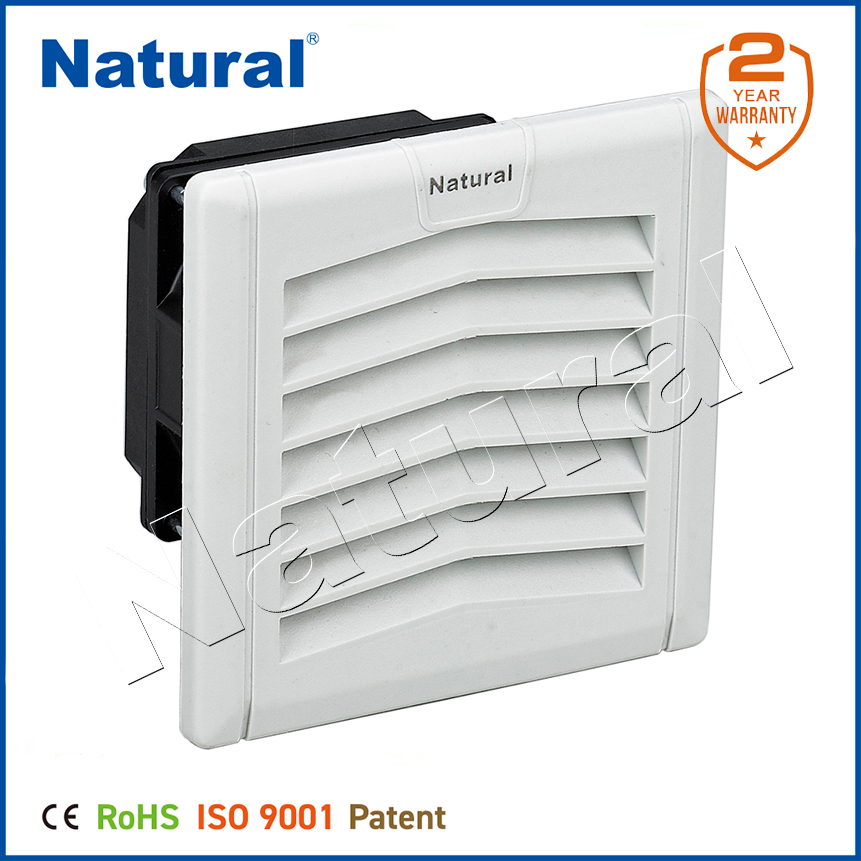
In modern times, air quality has become a key concern for both health and productivity. Airborne particles such as dust, pollen, bacteria, and viruses pose significant risks in various environments, especially in critical settings such as hospitals, laboratories, and manufacturing facilities. To address these challenges, a combination of Fan Air System Ventilation and HEPA (High-Efficiency Particulate Air) Filters is widely employed to ensure that the air remains clean, safe, and conducive to the well-being of individuals. This article explores how these systems work together and the benefits they bring to various industries.
The Importance of Air Quality in Critical Environments
In environments where contamination can directly impact health or product quality, such as healthcare facilities or clean rooms in electronics manufacturing, maintaining high air quality is paramount. Airborne contaminants can be the source of infections, allergic reactions, or even defective products. For example, in hospitals, airborne bacteria and viruses can spread rapidly, causing severe consequences. In pharmaceutical manufacturing, even the smallest particles can ruin the purity of drugs or interfere with the production of sensitive medical devices. Understanding Fan Air System Ventilation