The Motor Starter Relay plays a crucial role in ensuring the safe and efficient operation of electric motors. It is an essential component in both industrial and residential systems, offering protection and control during the start-up and operation of electric motors. In this article, we will explore the functionality, benefits, and applications of the Motor Starter Relay, as well as its different types and how it contributes to motor safety.
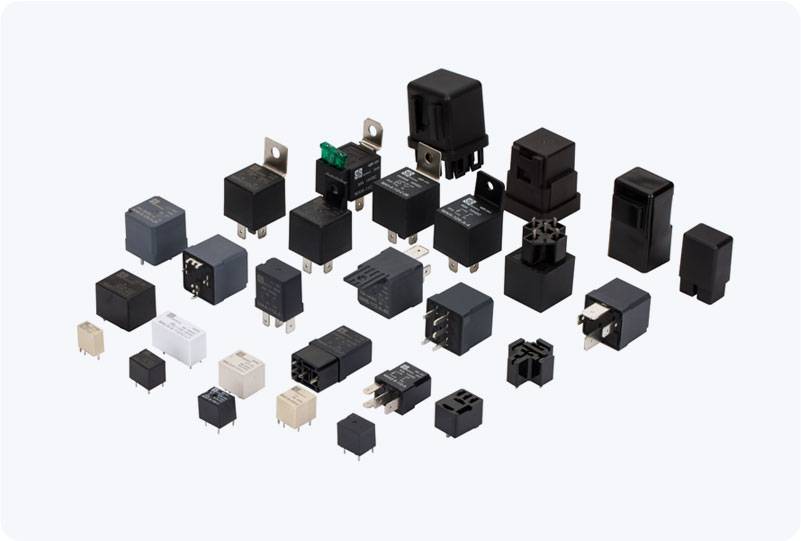
What is a Motor Starter Relay? A Motor Starter Relay is a device that is used to control and protect electric motors by managing their start-up process, operation, and shut-down. It works in conjunction with other components like contactors and thermal overload protectors to prevent damage to the motor due to electrical faults or mechanical overloads. The relay acts as an intermediary between the power supply and the motor, ensuring that the motor starts and stops smoothly, while also protecting it from conditions that could cause it to overheat or fail prematurely. Key Functions of a Motor Starter Relay