As electric vehicles (EVs) continue to revolutionize the automotive industry, the importance of ensuring the safety, efficiency, and reliability of their electrical systems becomes paramount. One such critical component is the Electric Vehicle High Voltage Relay, a device designed to manage the high-voltage circuits within EVs. This relay plays a vital role in protecting both the vehicle’s electrical system and its passengers. In this article, we will explore the function, design features, and importance of the Electric Vehicle High Voltage Relay in modern electric vehicles.
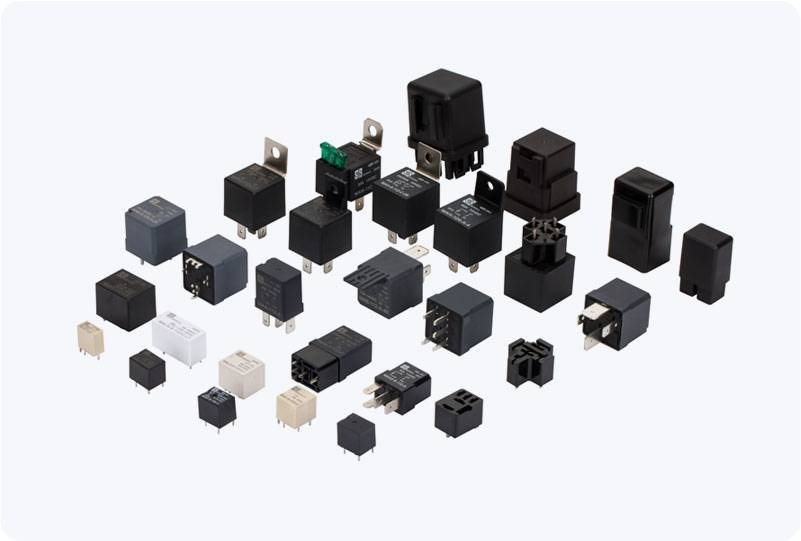
What is an Electric Vehicle High Voltage Relay? An Electric Vehicle High Voltage Relay is an electromechanical switch used to control high-voltage circuits in electric vehicles. These relays are designed to operate within the high-voltage range typically seen in EVs, which is usually between 200V and 800V. Their main function is to switch the high-voltage power on and off, ensuring that the electrical systems of the vehicle operate efficiently and safely. Electric vehicles rely on high-voltage battery packs that supply power to the electric motor and other essential systems. The high voltage in these systems demands highly specialized components capable of handling large amounts of current and voltage. The high voltage relay is one such component, and it is responsible for ensuring that the high voltage is safely controlled, preventing potential dangers such as short circuits, fire hazards, and system damage.
Leave a Reply