In today’s rapidly evolving world of automation, Remote Control Relays (RCRs) have emerged as an essential component, streamlining operations and offering unprecedented control over various electrical systems. Whether it’s controlling household appliances, managing industrial machinery, or automating entire buildings, RCRs provide the bridge between manual operation and smart, efficient management. This article explores the functionality, applications, and advantages of Remote Control Relays in modern automation systems.
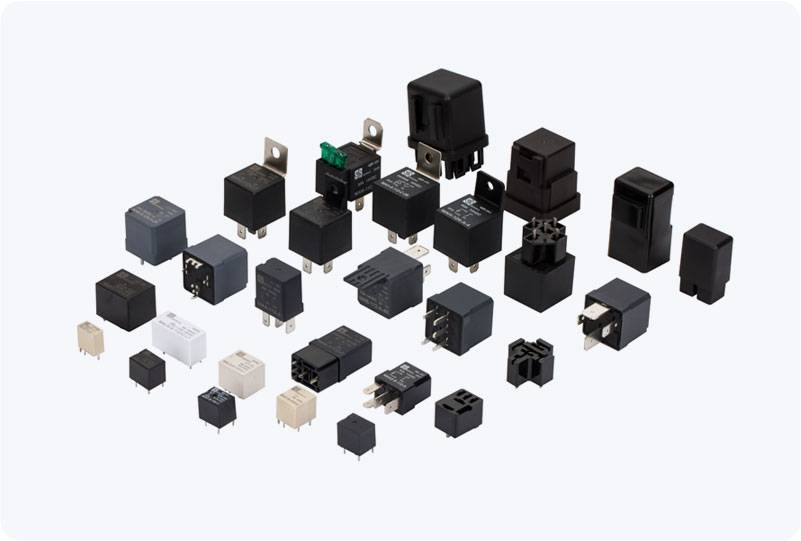
What is a Remote Control Relay? At its core, a Remote Control Relay is an electromechanical device designed to remotely switch an electrical circuit on or off. The relay itself operates as a switch that opens or closes based on the control signal it receives, typically from a remote controller, app, or a central automation system. While the relay’s function is quite simple, the power lies in its ability to control high-voltage equipment through a low-voltage signal, making it ideal for both residential and industrial uses. Key Components of Remote Control Relays The functionality of an RCR can be broken down into three main components:
Leave a Reply