Relay connectors play a crucial role in ensuring the proper functioning of electrical systems by providing stable and reliable connections between relays and other components. As devices that are essential in controlling circuits, relays require connectors that can handle high currents, facilitate quick connections, and endure harsh environmental conditions. Whether in automotive, industrial, or home applications, relay connectors serve as the backbone of many electrical systems, ensuring seamless operation. In this article, we’ll explore the different types, features, and applications of relay connectors.
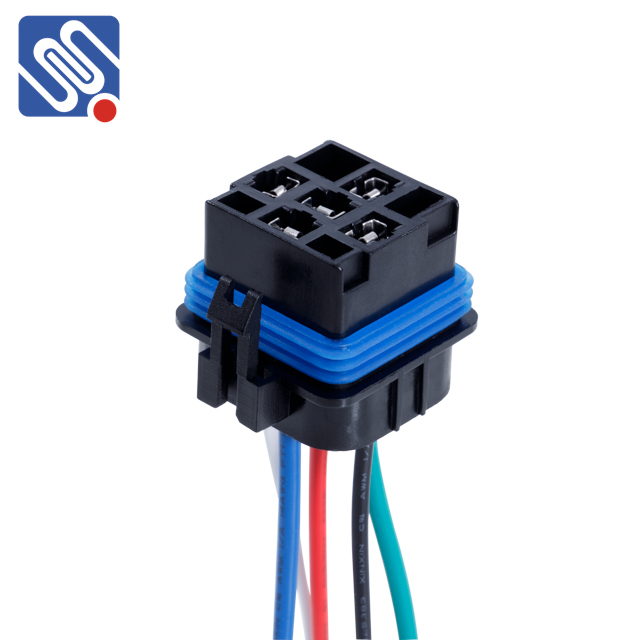
What Are Relay Connectors? Relay connectors are components used to establish electrical connections between a relay and the circuits it controls. A relay itself is an electrically operated switch that opens or closes circuits in response to a control signal. Relay connectors, therefore, ensure that these relays can communicate effectively with other electrical devices by transmitting power or signals. The connectors are usually designed to meet the specific needs of the relay, such as voltage, current, and environmental requirements. Key Features of Relay Connectors High Current Handling: One of the most important features of relay connectors is their ability to handle high currents. Relays are often used to control heavy-duty machinery or high-power circuits, and the connectors must be able to manage these electrical loads without overheating or malfunctioning.