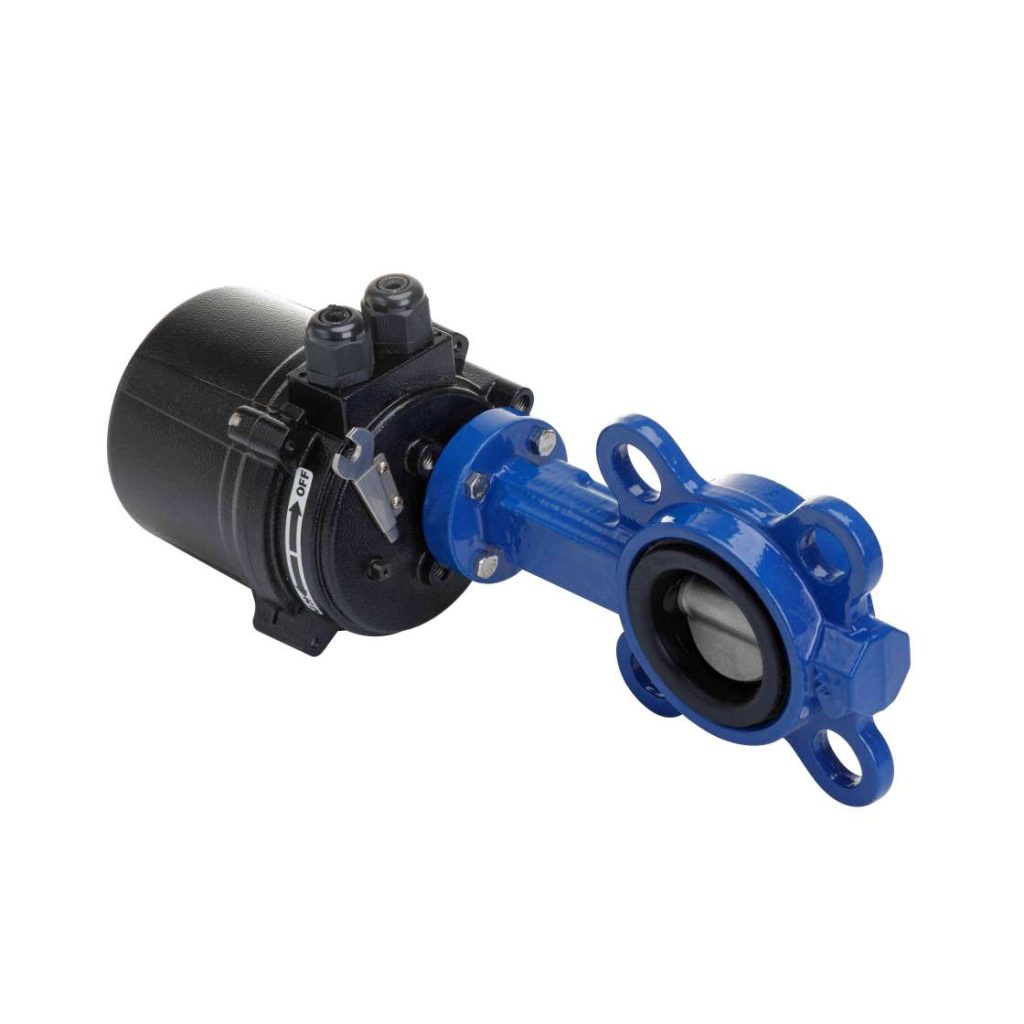
The WCB Electric Butterfly Valve is an essential component used in a wide range of industries, offering precise control over fluid flow. It integrates the reliability of butterfly valves with the advanced control of electric actuators. The “WCB” designation refers to the material, Weldable Cast Block, a type of cast steel commonly used for manufacturing industrial valves. This article delves into the design, features, and diverse applications of the WCB Electric Butterfly Valve.
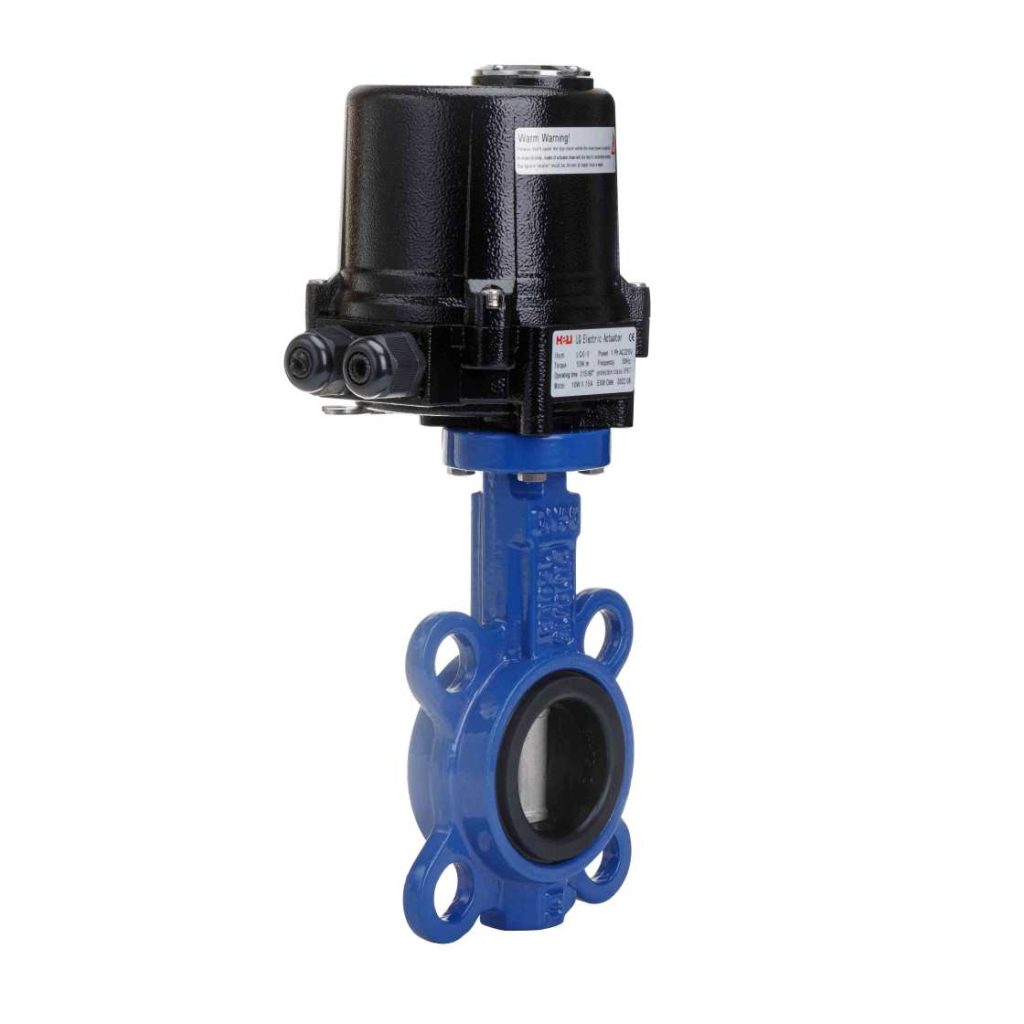
Design and Construction
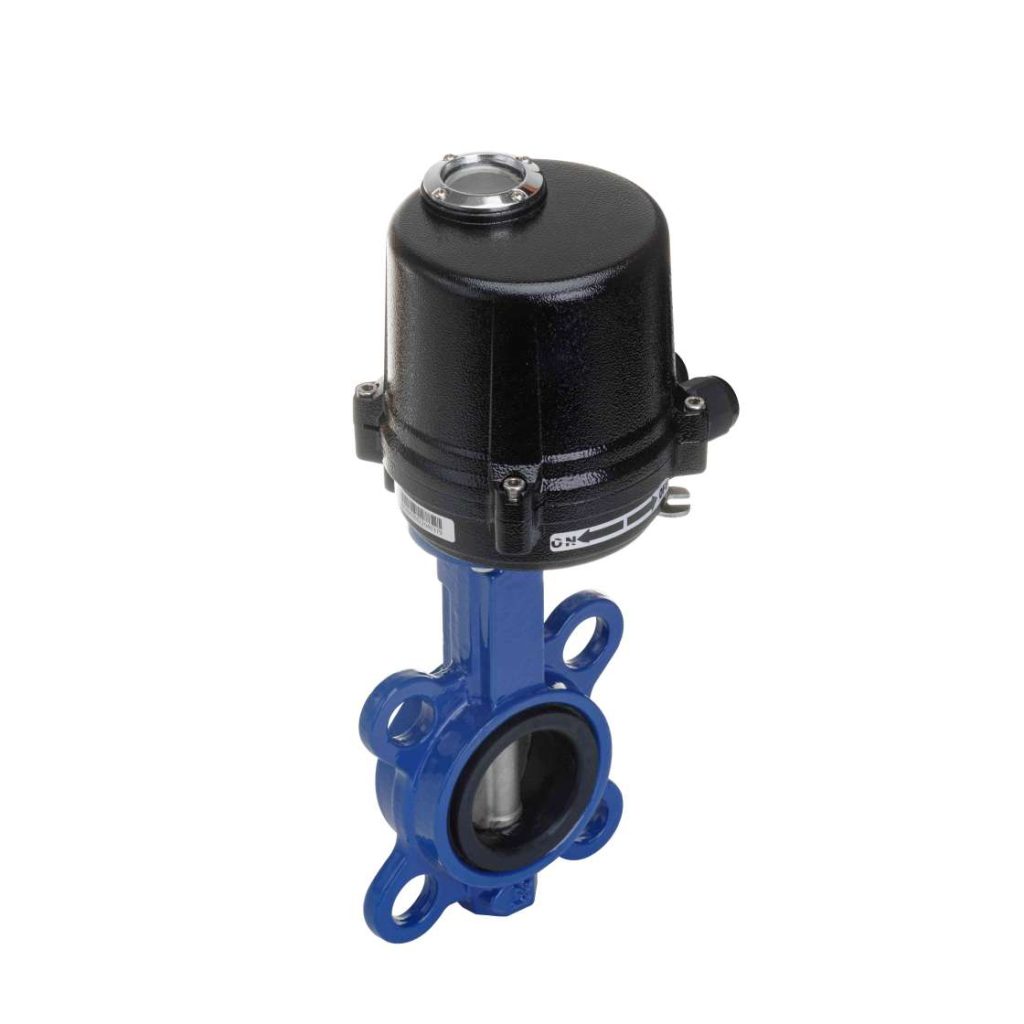
At its core, the WCB Electric Butterfly Valve consists of three main components: the valve body (the butterfly valve), the electric actuator, and the control system. The valve body is designed with a circular disc (the “butterfly”) that rotates within a pipe to control the flow of liquids or gases. The WCB material ensures the valve is both durable and resistant to corrosion, making it suitable for demanding environments. The electric actuator plays a crucial role in the operation of the WCB Electric Butterfly Valve. It converts electrical signals into mechanical motion, allowing the valve to be opened or closed with precise control. The actuator is connected to the butterfly valve, which rotates when powered, controlling the fluid flow in the pipeline.