Relay functional testing is a crucial aspect of verifying the effectiveness and reliability of relay components within distributed systems. In a world where real-time data communication is essential, ensuring that the relay components work efficiently is key to maintaining smooth operations. This type of testing is typically used in communication networks, message brokers, Internet of Things (IoT) devices, and any system that relies on the transfer of messages or data streams between multiple nodes.
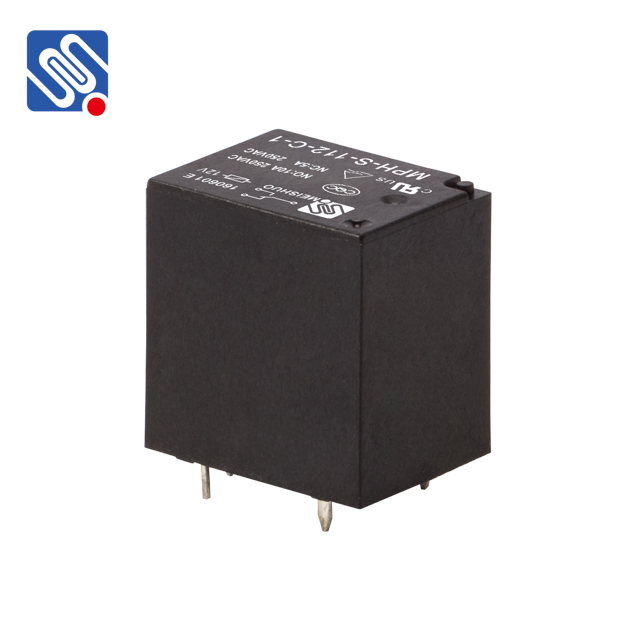
Relay functional testing primarily aims to verify whether the relay correctly receives, processes, and forwards messages without errors, delays, or loss of data. It involves testing the behavior of the relay under normal and extreme conditions to ensure that the overall system remains functional even in the event of failures or high traffic. Below, we delve deeper into what relay functional testing entails and why it is indispensable for modern distributed systems. Key Objectives of Relay Functional Testing Message Integrity: One of the core objectives of relay functional testing is ensuring that messages sent through the relay system are transmitted accurately. This means no message loss, duplication, or misdelivery. The system must preserve the integrity of the data as it moves between components. Any deviation from this can lead to data inconsistencies, leading to failures in application performance.
Leave a Reply