A general-purpose relay is a fundamental component in electrical and electronic systems. It is a type of electromechanical switch used to control a circuit by opening or closing its contacts in response to an electrical signal. Relays are essential in various applications where it is necessary to control higher power devices with a low-power signal. This article delves into the key features, working principle, applications, and advantages of general-purpose relays.
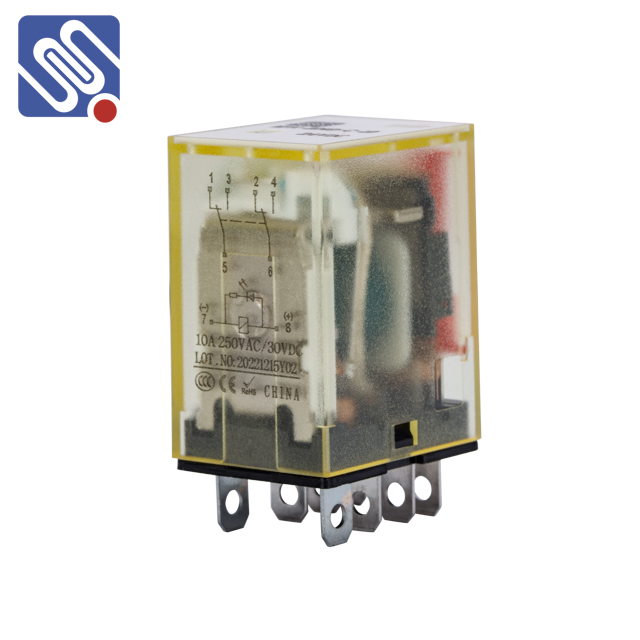
What is a General-Purpose Relay? A general-purpose relay is an electrical device that allows low-power circuits to control higher-power circuits. Essentially, it is used to isolate different sections of an electrical system and is especially useful in controlling heavy machinery or systems with larger power requirements. A typical relay has several key components, including a coil (electromagnet), contacts, and an armature. When an electrical current passes through the coil, it generates a magnetic field that pulls the armature, causing the contacts to either close or open, depending on the design of the relay.
Leave a Reply