Electric actuator valves are critical components in the control systems of modern industrial processes. These devices combine the functionality of an actuator and a valve, allowing for precise and automated control of fluid or gas flow in a variety of applications. They play a vital role in improving efficiency, ensuring safety, and providing the flexibility needed for a wide range of industries such as oil and gas, water treatment, power generation, and chemical processing. This article explores the working mechanism of electric actuator valves, their benefits, and the wide range of applications where they are indispensable.
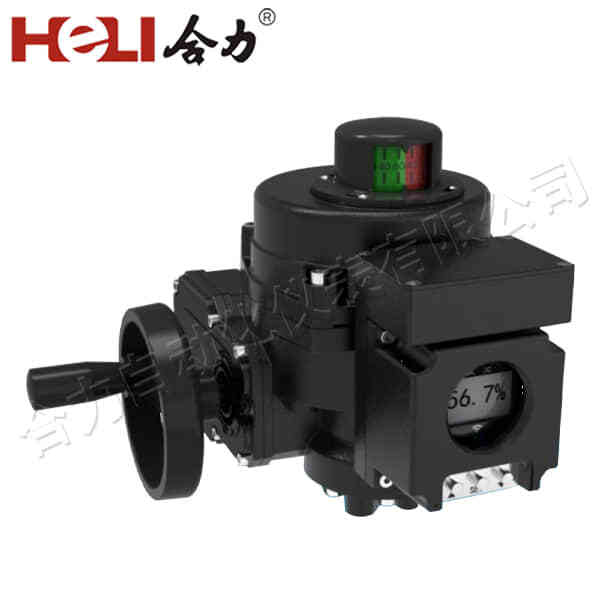
Understanding Electric Actuator Valves
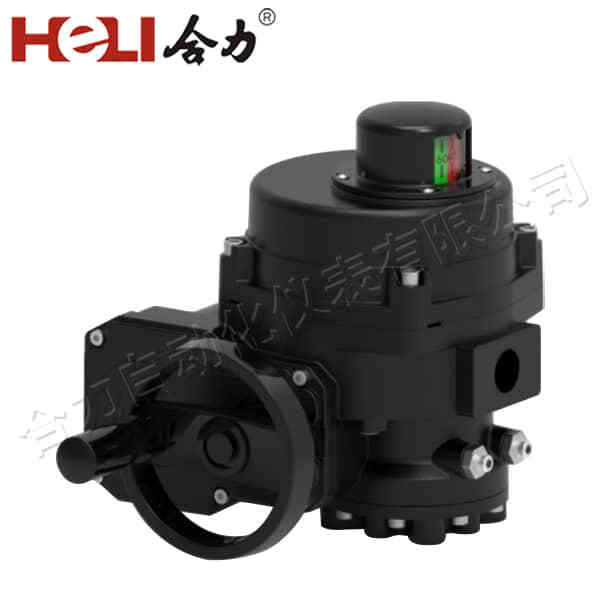
An electric actuator valve is an automated valve equipped with an electric actuator that uses electrical energy to control its motion. The actuator, typically a motor, provides the force necessary to open, close, or modulate the valve based on the input signals received from the control system. The valve itself is responsible for regulating the flow of liquids, gases, or slurries, and in conjunction with the electric actuator, it offers the ability to adjust flow rates accurately and remotely. The electric actuator operates through the conversion of electrical energy into mechanical motion, usually by rotating a shaft or generating linear movement, depending on the type of actuator used. The control signals can come from a centralized control system, such as a PLC (programmable logic controller), or from a remote operator station. With the help of feedback mechanisms like position sensors, electric actuator valves can ensure that the valve reaches the desired position and maintains it accurately.
Leave a Reply