Explosion-proof electric single seat regulating valves play a critical role in various industrial applications, particularly in environments where safety and precise control of fluid flow are paramount. These valves combine the functionality of a regulating valve with the enhanced safety features of explosion-proof electrical components. They are designed to withstand the harsh conditions of hazardous environments, providing both operational efficiency and protection against potential ignition sources. This article delves into the design, functionality, and importance of these valves, highlighting their benefits in industries such as oil and gas, chemical processing, and other sectors dealing with flammable or explosive materials.
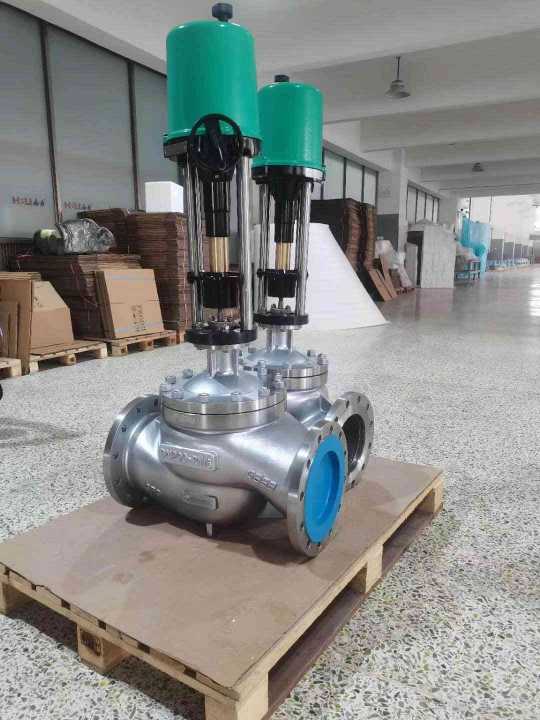
Understanding the Explosion-proof Electric Single Seat Regulating Valve At its core, an explosion-proof electric single seat regulating valve is a control valve that uses electric actuation to adjust and regulate the flow of fluids or gases. The “single seat” configuration refers to the valve’s structure, where the valve plug sits against a single seat, creating a tight seal. This design is particularly effective in handling a wide range of fluids, from low to high-pressure applications. The explosion-proof aspect of these valves refers to their ability to prevent sparks, electrical faults, or other ignition sources from igniting explosive or volatile substances in the surrounding environment. These valves are often used in areas where explosive gases or liquids are present, such as in petrochemical plants, offshore oil rigs, and gas pipelines.
Leave a Reply