The IEC 61811 Relay standard plays a crucial role in ensuring the reliability and safety of electrical systems, particularly in the context of railway applications. In this article, we will explore the significance of IEC 61811, its technical aspects, and why it is a cornerstone in modern electrical engineering, particularly for industries that require high levels of performance, durability, and safety.
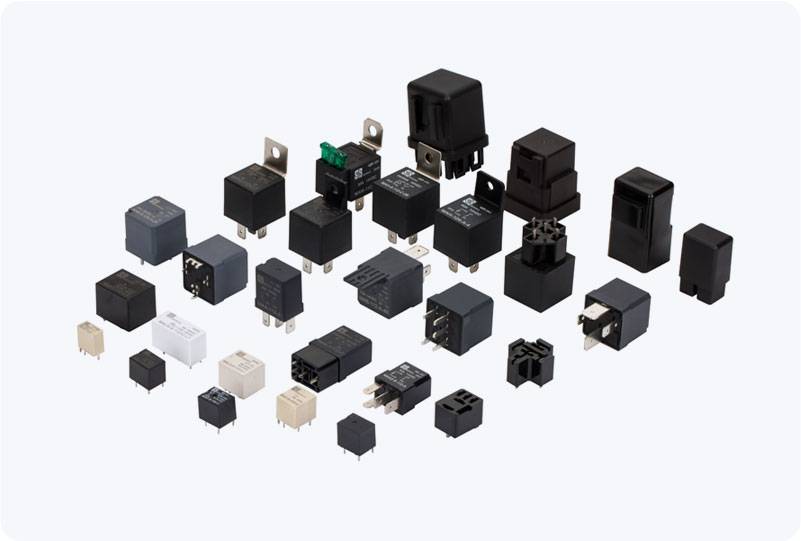
Introduction to IEC 61811 IEC 61811 is an international standard developed by the International Electrotechnical Commission (IEC), primarily aimed at railway applications. It outlines the requirements and testing methods for relays used in electrical control and protection systems, ensuring that these relays meet the demanding environmental and operational conditions in which they operate. The core objective of this standard is to define the electrical, mechanical, and environmental performance of relays to guarantee they function reliably over their intended lifespan. Relays are critical components in controlling high-voltage and high-power systems, and their performance is vital for the overall safety and reliability of railway infrastructure.