In recent years, the widespread use of lithium-ion batteries across various industries, from consumer electronics to electric vehicles, has revolutionized how we store and use energy. However, the rapid adoption of these power sources has also highlighted the importance of ensuring battery safety, longevity, and overall performance. One such innovation that addresses these concerns is the Lithium Battery Power Off Reset Valve (LBRV). This device is designed to enhance the safety, functionality, and efficiency of lithium-ion batteries by preventing certain issues related to power loss, overcharging, and overheating.
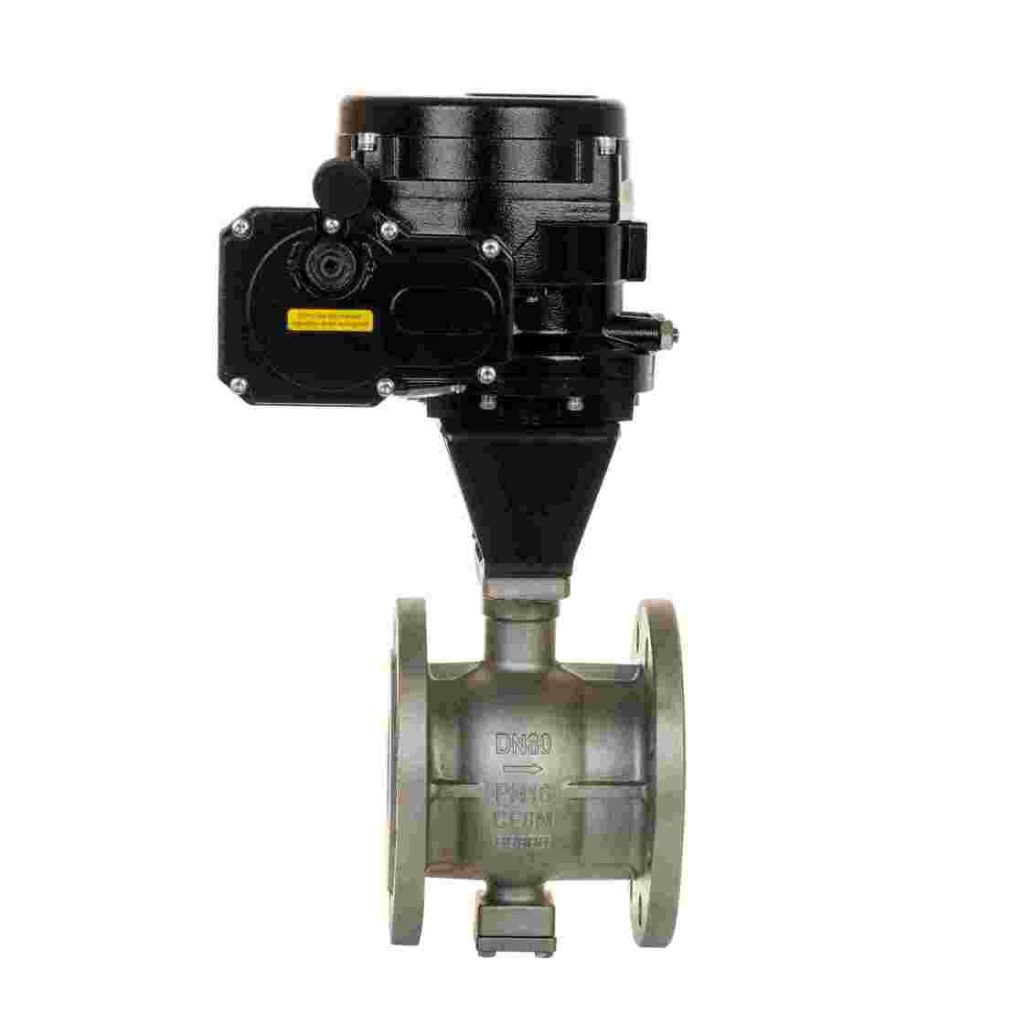
Understanding the Lithium Battery Power Off Reset Valve

The Lithium Battery Power Off Reset Valve is a safety and control mechanism integrated into lithium-ion batteries. Its primary function is to manage power interruptions and resets in a way that prevents potential damage to the battery or the device it powers. When there is an abrupt power loss, such as when a device is switched off unexpectedly, the reset valve ensures that the battery does not experience harmful electrical fluctuations, which can lead to issues like short-circuiting, overcharging, or thermal runaway—a phenomenon where the battery heats up uncontrollably, posing a fire risk.