In recent years, electric vehicles (EVs) have garnered increasing attention as a sustainable alternative to traditional gasoline-powered cars. With advances in battery technology and electric drivetrains, EVs promise to revolutionize the automotive industry. One critical component of EVs that plays an essential role in ensuring the safety, efficiency, and longevity of the vehicle’s electrical systems is the Precharge Relay. This article explores the importance of the precharge relay in electric vehicles, how it works, and why it is crucial for protecting the high-voltage components within an EV.
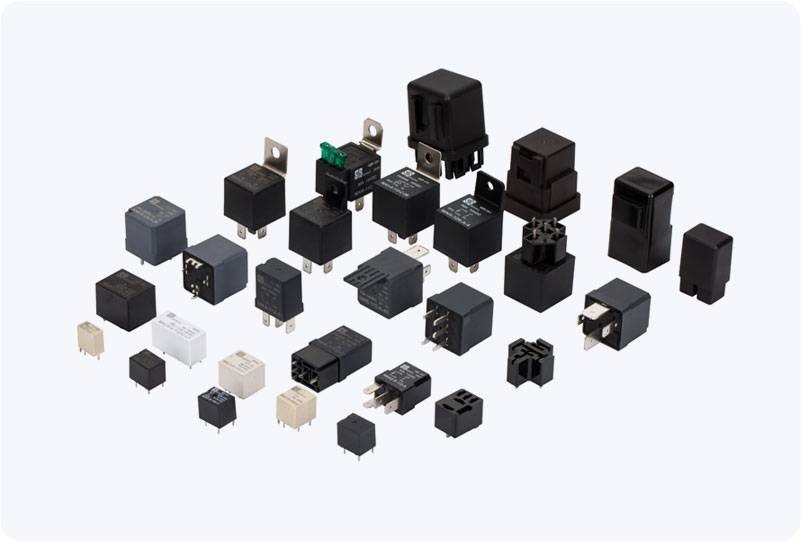
What is a Precharge Relay? The precharge relay is a specialized relay used in electric vehicles (EVs) to regulate the initial charging of the high-voltage battery system. It is designed to safely manage the charging process by preventing sudden surges of current that could damage sensitive electrical components such as the battery, motor controller, and other power electronics. When an EV is powered on, a precharge relay is activated to gradually charge the system’s capacitors and resistors, ensuring that the electrical components experience a smooth and controlled increase in voltage. Without a precharge relay, the system would be subject to a large inrush current when connecting the high-voltage battery, which could cause significant damage to the vehicle’s components. By pre-charging the system in a controlled manner, the relay ensures that the battery voltage rises gradually, preventing abrupt spikes in power that could potentially cause failures or shorten the lifespan of the components.