Relays are essential components in many electrical systems, enabling the control of high-power devices using low-power signals. Among various types of relays, the 24V 30A relay stands out as a widely used device in both industrial and automotive applications. This article provides an in-depth look at the 24V 30A relay, exploring its key features, applications, and important considerations for selecting and using it in various systems.
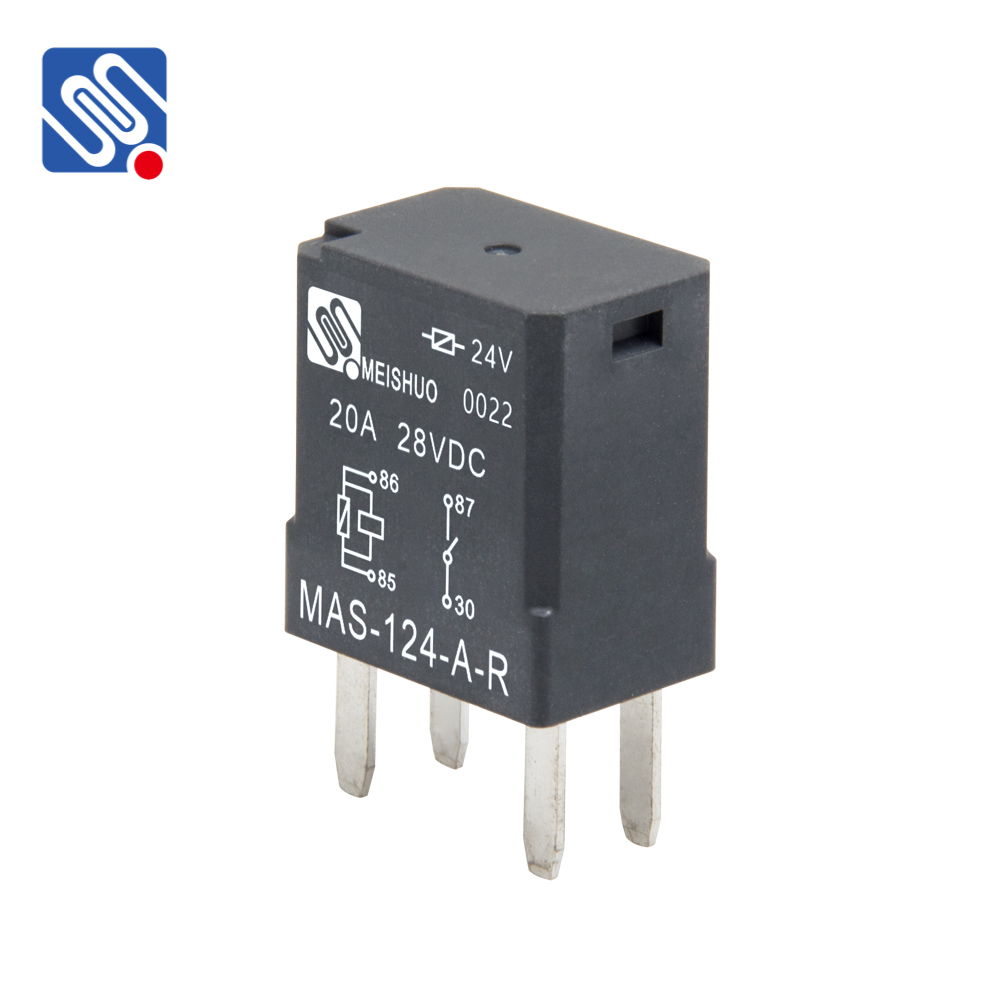
What is a 24V 30A Relay? A relay is an electromechanical switch that operates by energizing a coil, which in turn activates or deactivates its contacts to control the flow of electricity in a circuit. The 24V 30A relay is designed to be powered by a 24V DC signal, typically from a control system, and can handle a maximum current of 30A on its contacts. This makes it particularly useful in systems that require controlling large electrical loads like motors, lights, and other high-power devices while keeping the control circuits low-voltage and safe. The relay consists of two main components:
Leave a Reply