In modern vehicles, electrical systems play a crucial role in ensuring that everything from engine components to infotainment systems works properly. Two essential components in these systems are the relay and the fuse. While both may seem similar at first glance due to their role in electrical circuits, they serve entirely different purposes. Understanding the differences between a relay and a fuse in a car is important for maintaining the vehicle’s electrical integrity and ensuring optimal performance.
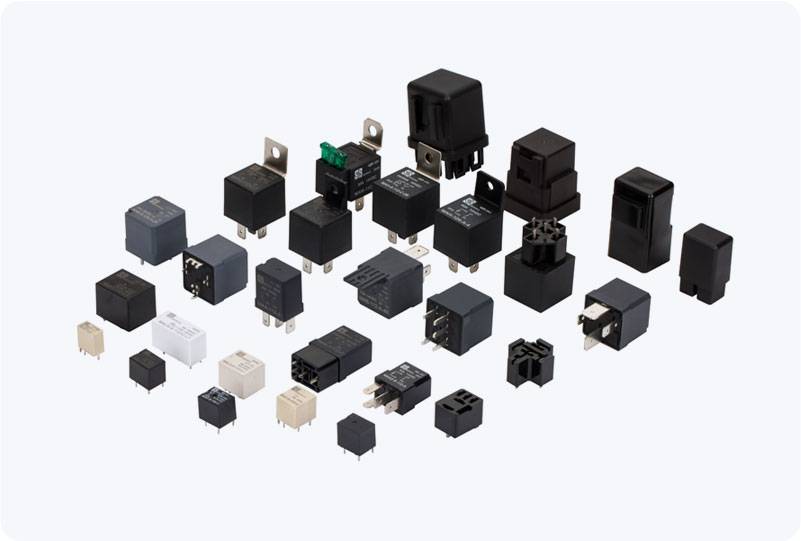
What is a Fuse? A fuse is a safety device used to protect electrical circuits from excessive current that could potentially cause damage to the wiring or electrical components. It acts as a protective barrier by interrupting the flow of current when the current exceeds a certain level. Fuses are typically made of a metal wire or strip that melts when a specified current passes through it, thereby disconnecting the circuit and preventing further damage. In vehicles, fuses are commonly found in the fuse box, which is often located in the cabin or engine bay. The fuse box contains multiple fuses of varying ratings that are assigned to different circuits throughout the car. For example, the fuse for the headlights will be rated for the amount of current the headlight circuit requires. If there is a short circuit or an overload, the fuse will blow, protecting the entire electrical system.
Leave a Reply