Capacitor precharge circuits are crucial for ensuring safe and efficient charging of capacitors in high-voltage systems. In applications such as electric vehicles (EVs), power converters, and high-power industrial systems, capacitors are often used for energy storage, voltage smoothing, or filtering. However, directly connecting a large capacitor to a high voltage source can cause excessive current flow, potentially damaging components or leading to system failure. The Capacitor Precharge Circuit Relay (CPCR) plays a vital role in preventing such problems by controlling the initial charging of capacitors.
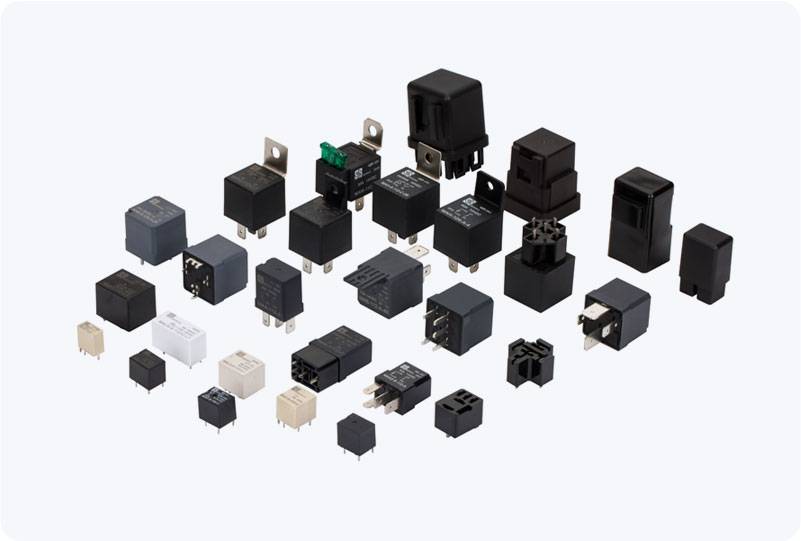
The Problem with Direct Capacitor Connection When a large capacitor is initially connected to a voltage source, its voltage is typically zero, and the capacitor behaves like a short circuit. If connected directly to a high voltage, a large surge current flows into the capacitor, limited only by the resistance of the wiring. This sudden surge can cause significant damage to the capacitor, relays, fuses, and other components in the system. Additionally, this high inrush current can pose risks to the power source and the entire system’s integrity. To mitigate these issues, the capacitor precharge circuit relay is used to control the current flowing into the capacitor during the initial charging phase. By using this method, the capacitor can be charged gradually, ensuring that the system operates safely and efficiently.
Leave a Reply