In modern water distribution systems, plastic valves have become an essential component due to their durability, corrosion resistance, and cost-effectiveness. These valves are made from a variety of plastic materials such as PVC (Polyvinyl Chloride), PP (Polypropylene), and PE (Polyethylene), which offer unique advantages in controlling the flow of water through pipelines. This article explores the various aspects of plastic valves for water systems, including their types, advantages, and common applications.
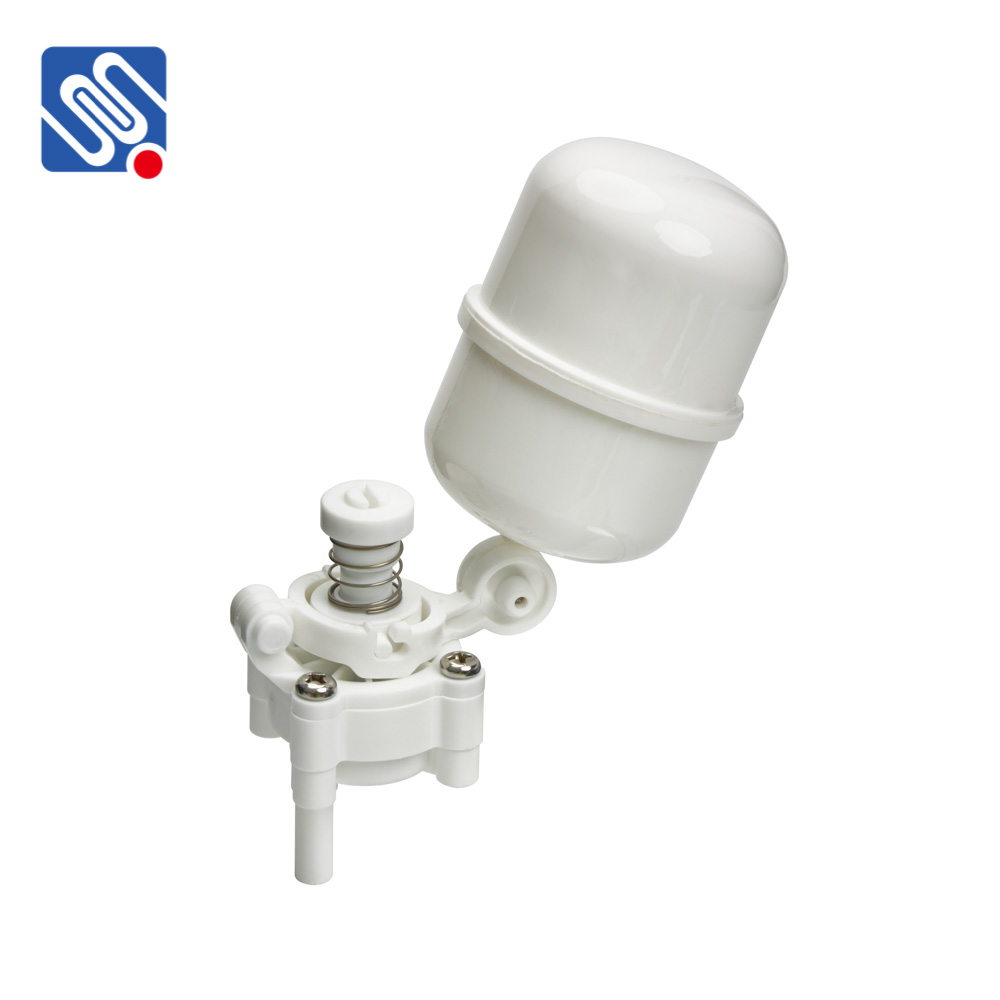
1. Advantages of Plastic Valves in Water Systems Plastic valves offer numerous benefits over traditional metal valves, making them an increasingly popular choice in both residential and industrial water systems. Here are the key advantages: Corrosion Resistance Plastic valves do not suffer from the same corrosion issues that metal valves face, especially in water systems exposed to aggressive environments. Water can contain chlorine, minerals, or even acidic or alkaline substances that would cause metal valves to rust and degrade over time. In contrast, plastic materials such as PVC and PP are resistant to chemical corrosion, ensuring a longer lifespan for the valve.
Leave a Reply