In the ever-evolving world of industrial automation and control systems, temperature regulation plays a crucial role in ensuring optimal performance and safety. One such device that has gained prominence is the DIN rail thermostat. This article delves into the functionalities, applications, and advantages of DIN rail thermostats, highlighting their significance in various settings.
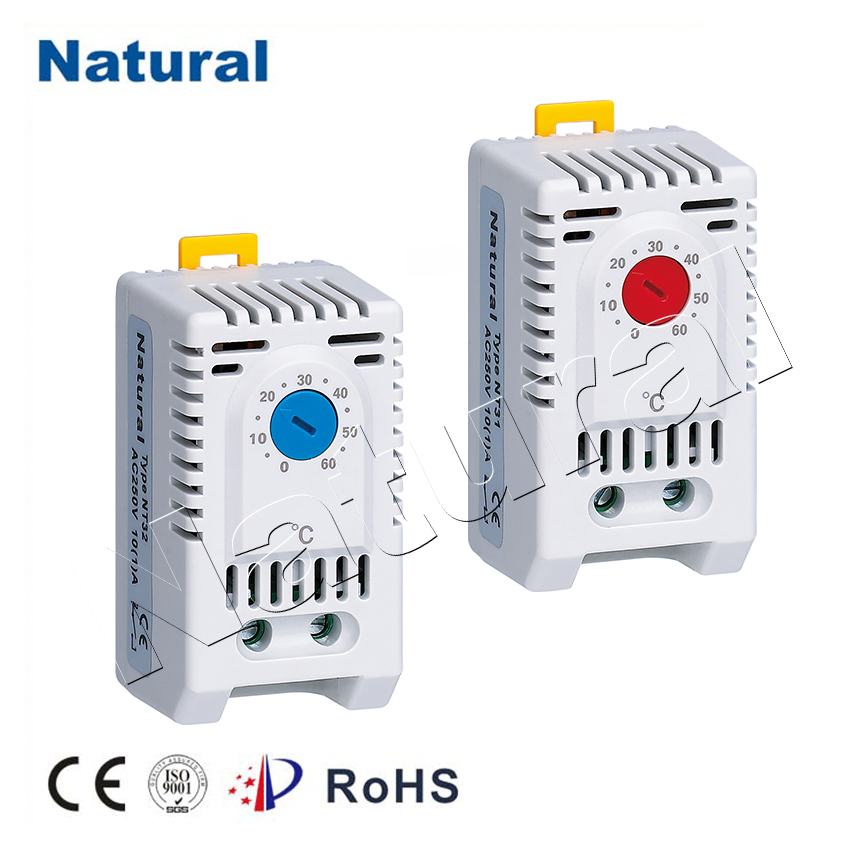
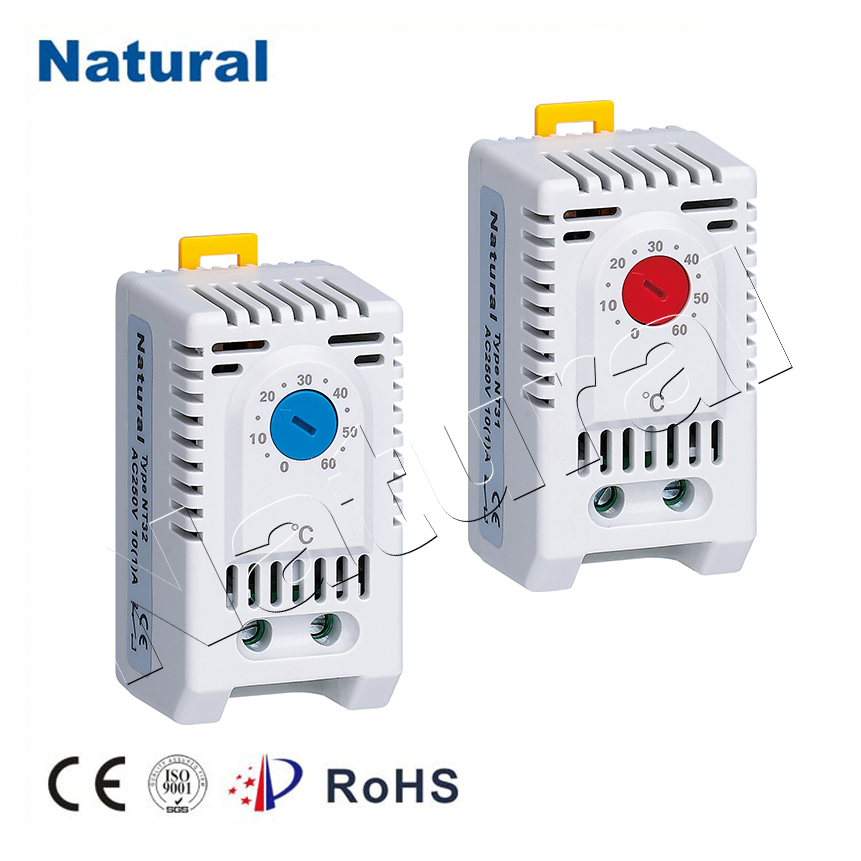
What is a DIN Rail Thermostat?
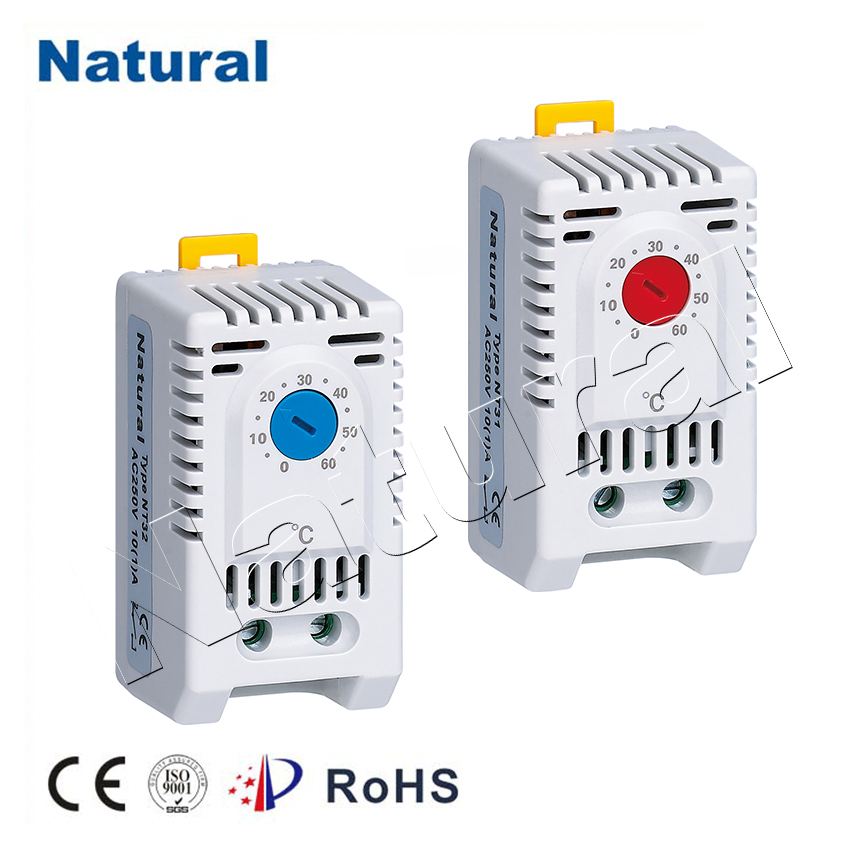
A DIN rail thermostat is an electronic device designed to monitor and control temperature in various applications. It is mounted on a standard DIN rail—a metal rail often used in electrical enclosure for housing circuit breakers, relays, and other control devices. This design not only eases installation but also helps in organizing multiple components in control panels. Working Principle The operation of a DIN rail thermostat is straightforward yet effective. It typically features a built-in temperature sensor, such as a thermistor or thermocouple, which continuously monitors the ambient temperature. Once the temperature reaches a predetermined threshold—set by the user—the thermostat activates or deactivates connected heating or cooling devices through relays or solid-state relays. This feedback mechanism helps maintain a consistent temperature within a specified range, ensuring the efficient functioning of machinery or the comfort of occupants in a controlled environment.
Leave a Reply