Relays are integral components in modern electrical systems, and the 24V 30A Relay stands out as one of the most commonly used models. Relays serve as electrically operated switches that allow a low-voltage circuit to control a high-voltage load. They are essential for isolating sensitive electronics from heavy-duty equipment, ensuring both the safety and efficiency of electrical systems. This article explores the characteristics, applications, and advantages of the 24V 30A Relay, shedding light on its importance in a wide range of industries.
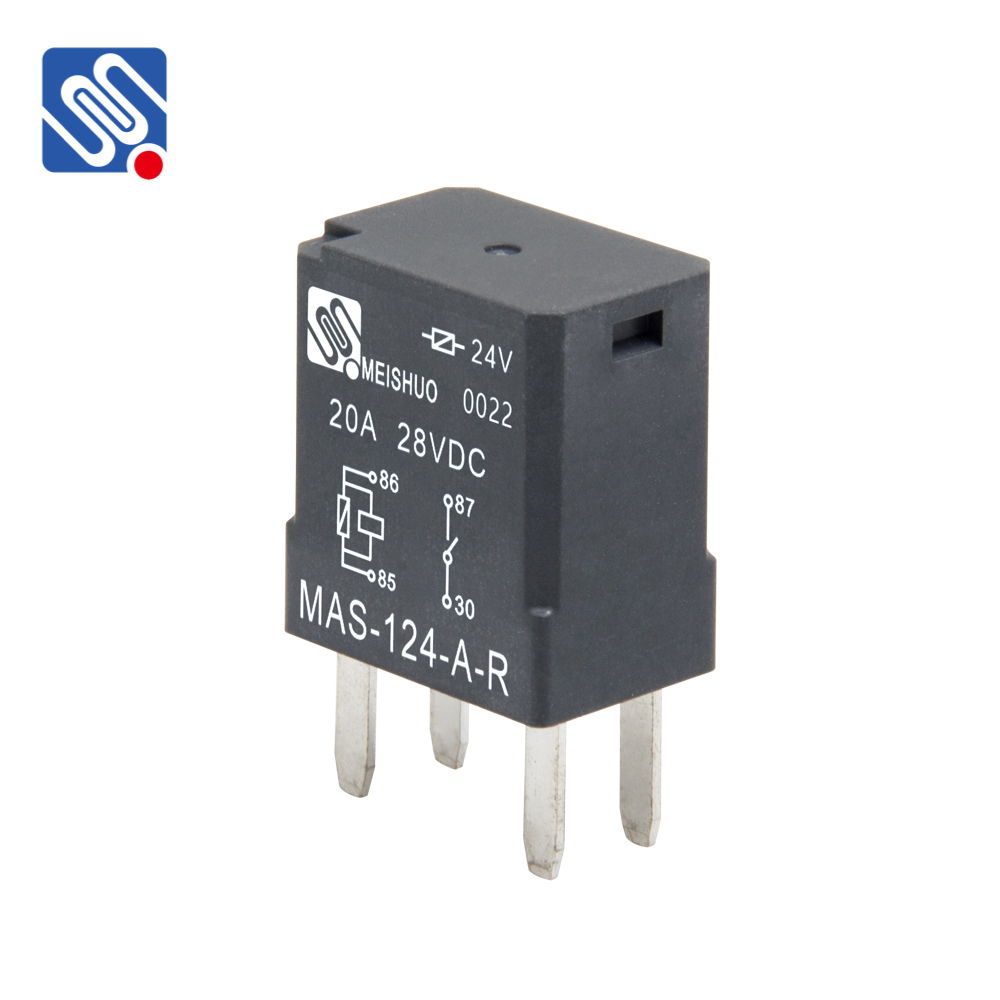
What is a 24V 30A Relay? A 24V 30A Relay is a type of electrical relay that operates with a control voltage of 24V DC (direct current) and can switch loads up to 30 amperes. The relay consists of a coil that, when energized by the control voltage, creates a magnetic field. This field attracts or repels a mechanical switch, allowing it to open or close the contacts and control the flow of electricity in the circuit. The key distinguishing feature of a 24V 30A Relay is its ability to handle relatively high current loads while operating on a low control voltage. The 24V rating makes it particularly suitable for 24V DC systems, often used in automotive, industrial, and power supply applications. The 30A current capacity enables the relay to control larger equipment or machinery without the risk of damaging the relay or connected components.
Leave a Reply