In modern water management systems, precision and reliability are paramount. One of the key components that contribute to achieving this is the Certified Water Solenoid Valve. These valves are designed to provide controlled flow of water through automated systems, making them indispensable in various applications ranging from agricultural irrigation to industrial water management. In this article, we will delve into the significance, working mechanism, benefits, and applications of certified water solenoid valves.
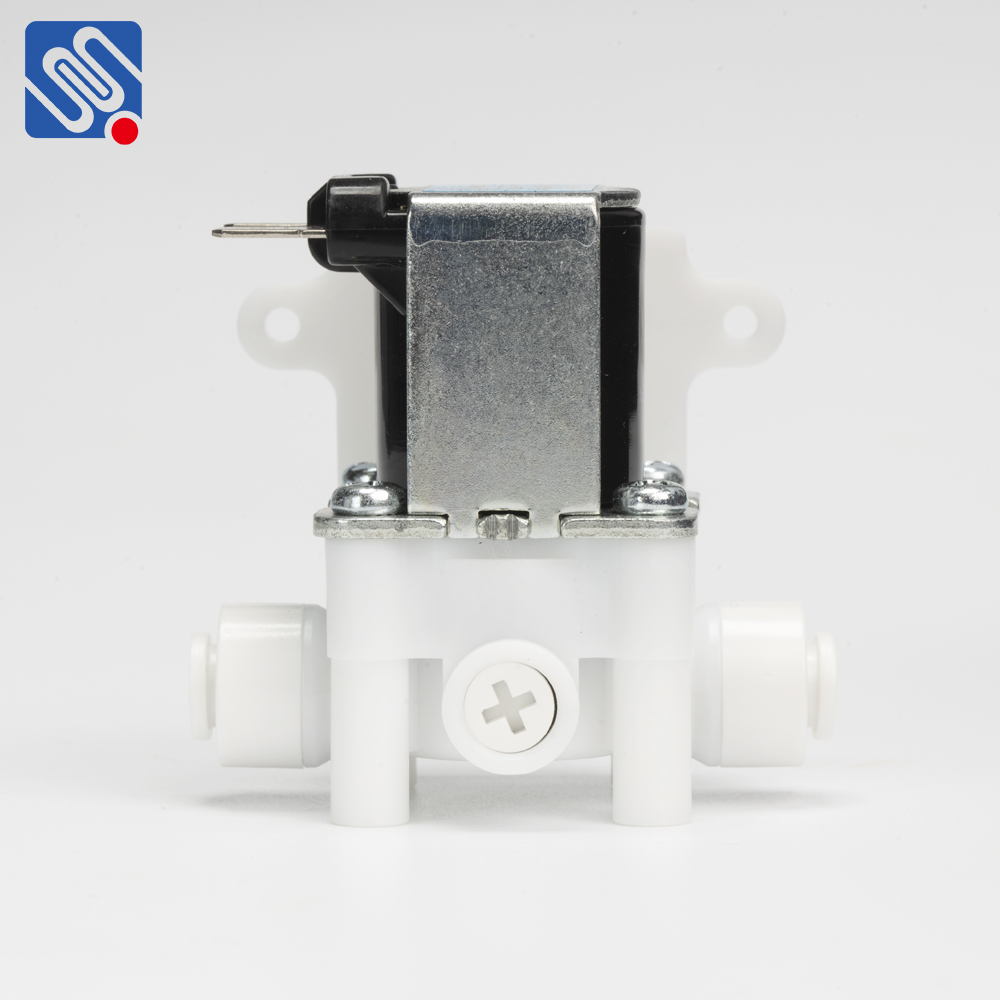
What is a Certified Water Solenoid Valve? A Certified Water Solenoid Valve is an electromechanical device used to control the flow of water in a system. It operates by using an electric current to create a magnetic field that moves a plunger inside the valve, thereby opening or closing the valve. These valves are specifically designed to handle water systems and are often subject to certification by regulatory bodies to ensure their reliability and safety in various environments. Certification generally refers to the adherence of the solenoid valve to industry standards and regulations, such as ISO (International Organization for Standardization), CE (Conformité Européenne), and others. This certification guarantees that the valve is capable of functioning efficiently and safely under specified conditions, ensuring water systems are properly controlled and protected.
Leave a Reply