Relay production, as a management concept in manufacturing and industrial processes, has become increasingly significant in enhancing efficiency and optimizing workflows. The term “relay production” refers to a method in which the production process is divided into distinct stages, with each stage handled by different teams or departments. Once a team completes its task, the output is handed over to the next team in a manner similar to a relay race, where the baton is passed from one runner to the next. This approach offers numerous benefits, especially in large-scale operations requiring high levels of coordination and specialization.
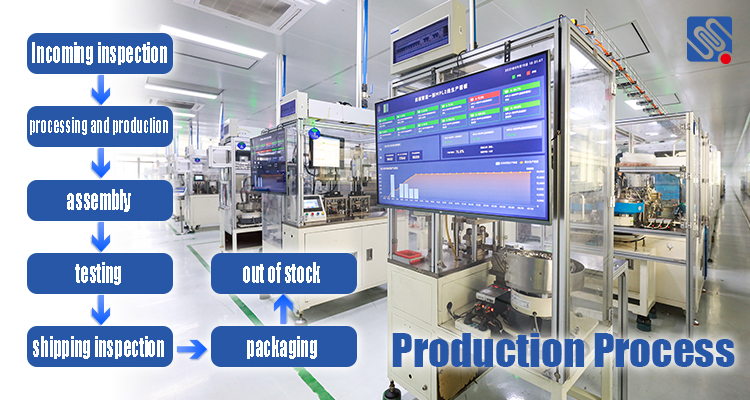
Understanding the Concept of Relay Production In relay production, the entire manufacturing process is structured in a way that each team or department focuses on a specific part of the process. For example, in a car manufacturing plant, one team may be responsible for assembling the engine, while another team assembles the body, and yet another installs the electrical system. Once each team completes their specific task, the product is handed off to the next team. This division of labor ensures that each team can focus on what it does best, increasing overall efficiency and output. The essence of relay production is in the smooth transition of work between different stages. For it to work effectively, the communication between teams must be seamless, and each team must be highly skilled in its particular function. The model is particularly useful in complex production lines where different specialized tasks need to be performed in a particular sequence.