Automation Relay is a vital component in the world of industrial automation, offering efficient and reliable control for various electrical circuits. These devices have become integral to modern control systems, with applications spanning from industrial machinery to home automation. In this article, we will delve into the importance of Automation Relays, how they work, and where they are commonly used.
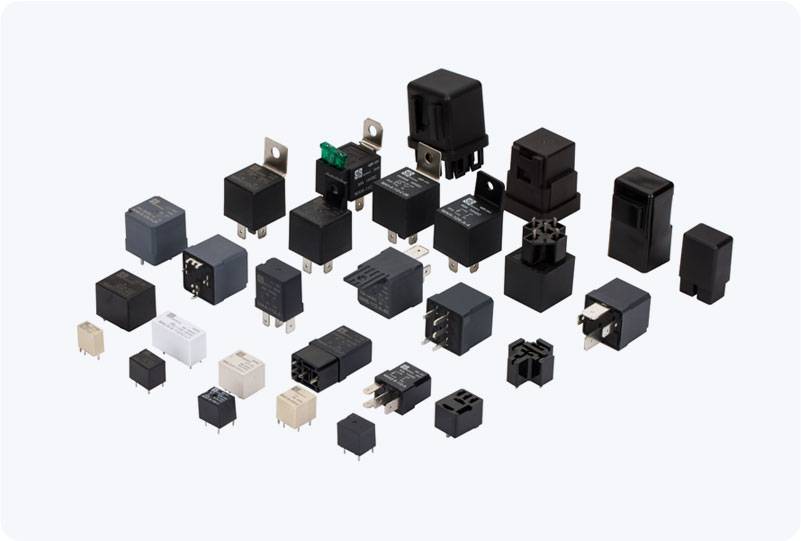
What is an Automation Relay? An Automation Relay is an electromechanical or solid-state device designed to switch electrical circuits on and off based on an external input signal. The primary function of a relay is to act as a switch that can either open or close a circuit, depending on the control signal. By using a low-power signal to control a high-power load, Automation Relays allow for the safe and efficient management of electrical systems. While traditional mechanical relays are often used in various applications, solid-state relays (SSRs) have become increasingly popular due to their faster response time, longer lifespan, and resistance to wear and tear. These relays are often used in scenarios requiring high-speed switching and in environments where electromagnetic interference (EMI) must be minimized.
Leave a Reply