In the realm of industrial safety, effective measures to prevent accidental machine start-ups during maintenance are paramount. Among these measures, lockout/tagout (LOTO) practices are essential, and IEC 60947-2 certified lockout hasps play a critical role in ensuring compliance with safety regulations. This article delves into the significance, features, and advantages of these certified locking devices within the context of industrial operations.
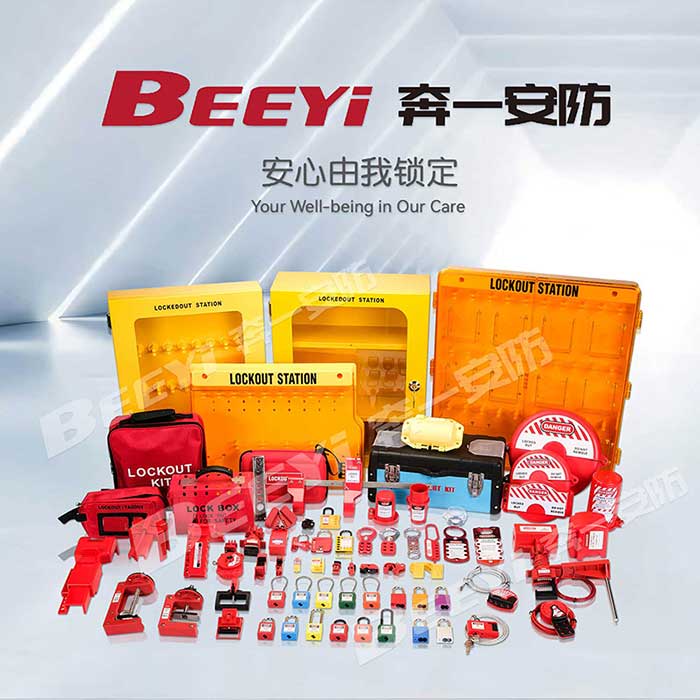
What is a Lockout Hasp? A lockout hasp is a safety device used to secure the energy-isolating mechanisms of machinery and electrical equipment during maintenance and repair operations. By facilitating the lockout/tagout procedure, lockout hasps prevent unauthorized access and accidental machine operation, thereby protecting technicians and maintenance workers from potential hazards. They are designed to accommodate multiple locks, allowing more than one worker to secure the equipment simultaneously. Why IEC 60947-2 Certification Matters IEC 60947-2 is a widely recognized international standard that specifies the requirements for low-voltage switchgear and control equipment. Devices that comply with this standard have undergone rigorous testing to ensure their reliability and safety when employed in industrial applications.
Leave a Reply