When dealing with pneumatic systems, safety is of paramount importance, especially during maintenance or repairs. Pneumatic lockouts are essential tools designed to ensure that machinery remains securely locked out to prevent accidental activation. A pneumatic lockout system allows technicians and maintenance workers to lock a pneumatic device, valve, or actuator during servicing, ensuring that there is no pressurized air flow, which could lead to dangerous incidents. For businesses seeking these devices, understanding the factors that influence the Pneumatic Lockouts quotation is crucial for making informed purchasing decisions. This article delves into the key elements that determine the pricing of pneumatic lockouts and highlights their role in enhancing workplace safety.
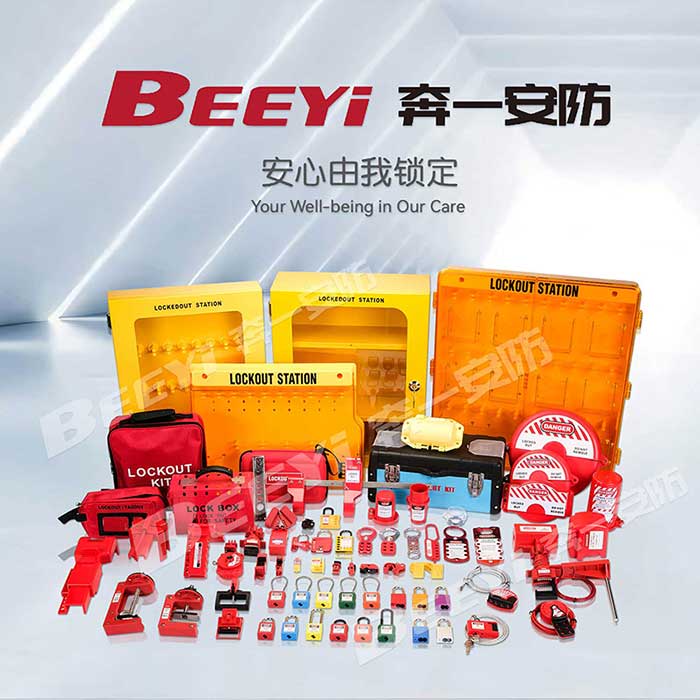
What Are Pneumatic Lockouts? Pneumatic lockouts are mechanical devices used to prevent the accidental release of pressurized air in pneumatic systems. They are typically applied to valves, cylinders, or pipelines that transport compressed air. When locked, the pneumatic lockout isolates the pressure source, ensuring that workers can safely perform maintenance or repairs without the risk of unintended machine movement. Lockouts often come with features such as heavy-duty construction, compatibility with multiple valve types, and adjustable sizes to fit various industrial applications. Key Factors Influencing Pneumatic Lockouts Quotation
Leave a Reply