Introduction

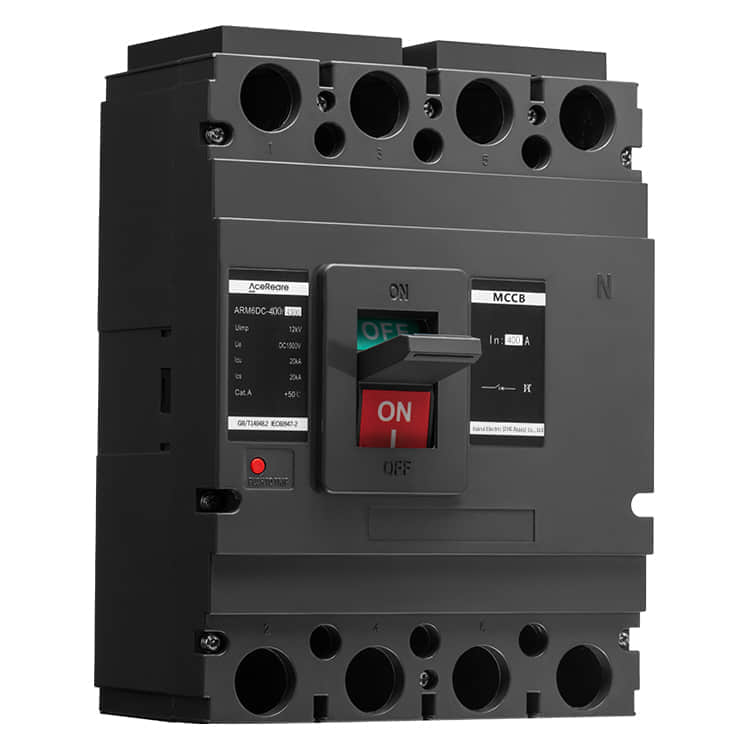
DC molded case circuit breakers (MCCBs) are vital components in electrical systems, designed to protect equipment and personnel by interrupting current flow in the event of a fault. Unlike AC circuits, DC circuits pose unique challenges due to the constant unidirectional flow of current. In this article, we will delve into the significance of DC molded case circuit breakers, their operating principles, applications, and key benefits.
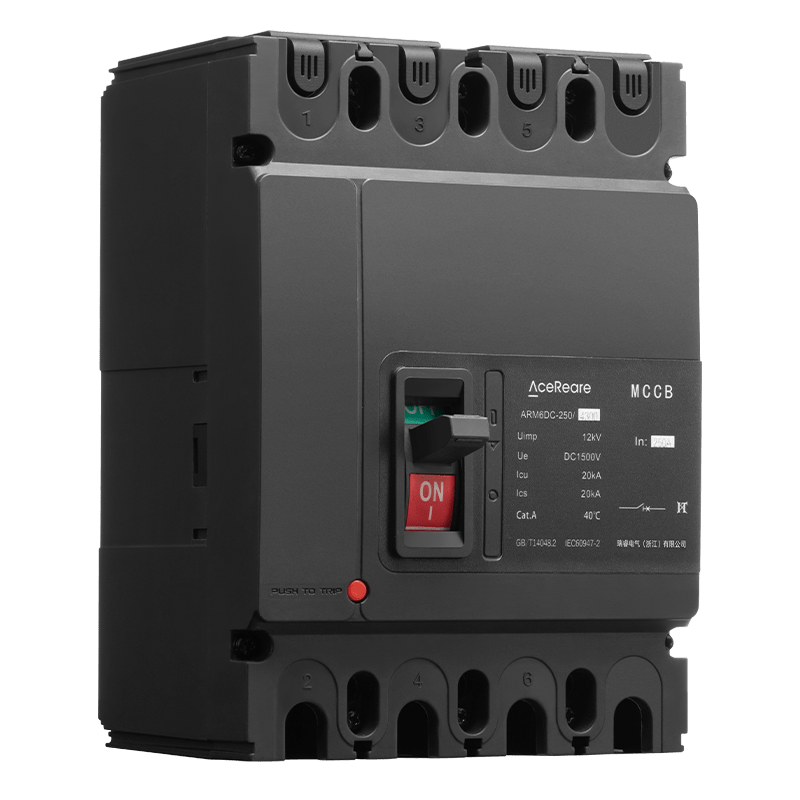
Understanding DC Molded Case Circuit Breakers DC molded case circuit breakers are robust switching devices built to handle direct current applications. They are used to ensure the safety and reliability of electrical systems in various sectors, including industrial, commercial, and residential. These breakers consist of a thermal-magnetic or electronic trip unit, a set of contacts, an arc extinguishing chamber, and an operating mechanism. Operating Principles DC MCCBs operate based on two primary principles: thermal protection and magnetic protection. Thermal protection safeguards against overcurrents that persist over a longer period, such as a low-level overload. The heat generated by the current passing through the breaker causes a bi-metallic strip to bend, ultimately tripping the breaker. Magnetic protection responds to short-circuit currents, which are characterized by rapid and high current spikes. When a short-circuit occurs, the magnetic field generated by the current activates the tripping mechanism, causing the contacts to separate and interrupt the circuit. Applications in Diverse Industries DC MCCBs find application in a wide range of industries due to their ability to provide effective protection in various scenarios. In the telecommunications sector, they safeguard critical equipment like batteries and power distribution units. Renewable energy systems, such as solar and wind power installations, benefit from DC MCCBs to prevent damage to inverters and energy storage units. Moreover, in transportation, these breakers are used in electric vehicles and trains to ensure the safety of onboard electrical systems. Key Benefits of DC MCCBs Enhanced Safety:DC MCCBs protect both equipment and personnel from the hazards of overloads and short-circuits. Their quick response to faults minimizes potential damage and reduces the risk of fire. Reliability:These breakers are designed for durability and longevity, making them dependable components in critical applications. Their ability to handle high short-circuit currents ensures the stability of the entire system. Remote Monitoring:Some advanced DC MCCBs offer remote monitoring capabilities. This feature enables real-time monitoring of the breaker’s status, allowing for proactive maintenance and reducing downtime. Customization:DC MCCBs are available in various sizes and current ratings, providing flexibility for different applications. They can be tailored to meet the specific needs of a given electrical system. Compact Design:The molded case design not only enhances the breaker’s durability but also makes it compact, saving valuable space in electrical panels or enclosures. Conclusion DC molded case circuit breakers play a crucial role in protecting electrical systems from the potential dangers posed by overcurrents and short-circuits. Their unique operating principles, diverse applications, and a host of benefits make them indispensable components in modern electrical engineering. As technology continues to advance, DC MCCBs are likely to evolve further, ensuring the safe and efficient operation of various industries that rely on direct current systems.