In the realm of home comfort and energy efficiency, the wall thermostat stands as a silent sentinel, diligently regulating temperatures and ensuring that indoor spaces are cozy and welcoming. Over the years, the humble wall thermostat has evolved from a basic temperature control device to a sophisticated and intelligent piece of technology that seamlessly integrates with our modern lives. This article explores the journey of the wall thermostat, from its origins to its present-day innovations.
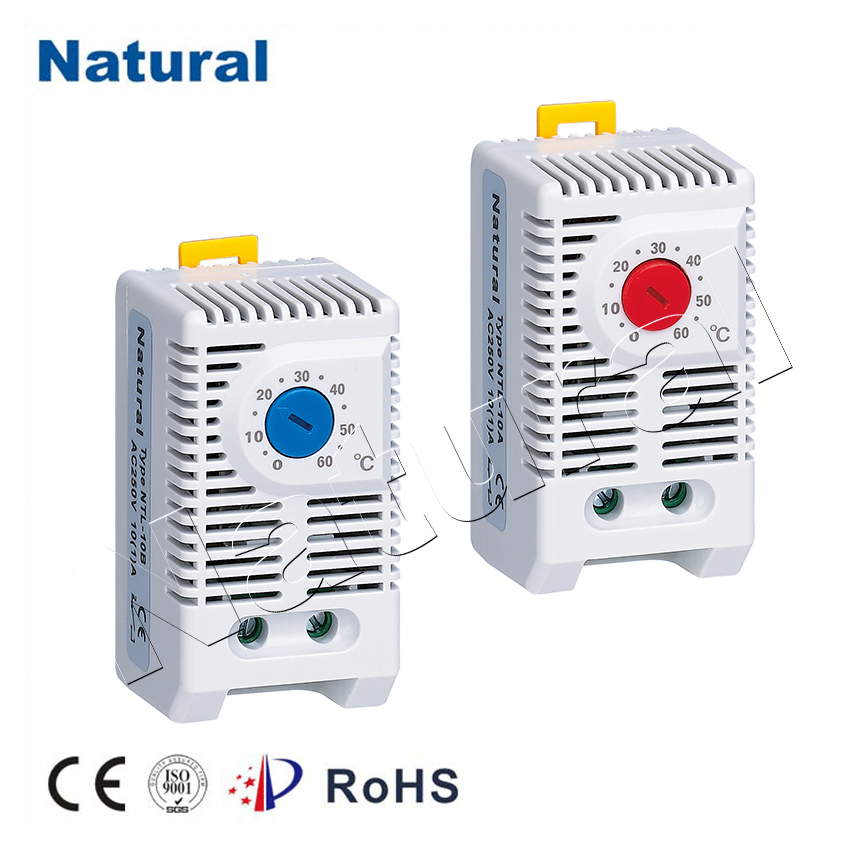
A Brief History of Wall Thermostats The concept of controlling indoor temperature dates back centuries, with early attempts involving manual adjustments to heating sources. However, the modern wall thermostat as we know it began to take shape in the late 19th century. Warren S. Johnson’s invention of the first electric room thermostat in 1883 marked a significant milestone. This early device allowed for basic temperature regulation through electrical contacts and mechanical mechanisms. The Digital Revolution The real transformation of wall thermostats came with the advent of digital technology. In the mid-20th century, electronic thermostats replaced the traditional mechanical ones. These digital devices provided greater accuracy and programmability, enabling users to set specific temperature schedules to match their daily routines. Suddenly, homeowners could ensure a warm home upon their return without having to keep the heating system running all day. Smart Thermostats: Bridging Comfort and Connectivity The 21st century witnessed another leap forward with the rise of smart thermostats. These innovative devices combine advanced temperature control with the power of connectivity and artificial intelligence. Smart thermostats like Nest, Ecobee, and Honeywell Lyric have revolutionized the way we interact with our living spaces. One of the standout features of smart thermostats is their ability to learn from user behavior. These devices analyze data such as occupancy patterns, outdoor weather conditions, and manual adjustments made by users. Over time, they adapt and fine-tune temperature settings to optimize comfort while minimizing energy consumption. This not only reduces utility bills but also supports eco-friendly living. Intuitive Interfaces and Remote Control The convenience of modern wall thermostats extends beyond mere automation. Smart thermostats typically come with intuitive interfaces, often in the form of touchscreen displays. These displays provide real-time information about indoor temperature, humidity levels, and energy usage. Users can easily adjust settings with a few taps, making it effortless to customize their environment according to their preferences. Remote control is another game-changer. With the integration of smartphone apps and Wi-Fi connectivity, homeowners can manage their thermostat settings from anywhere in the world. This means you can ensure your home is cozy and inviting before you even step inside the door. Energy Efficiency and Environmental Impact One of the most significant advantages of modern wall thermostats is their contribution to energy efficiency. Traditional thermostats often led to wasteful heating and cooling practices due to manual adjustments or continuous operation. Smart thermostats, on the other hand, optimize energy usage by considering factors such as occupancy, time of day, and outdoor weather conditions. This not only lowers energy bills but also reduces a household’s carbon footprint, making them an important tool in the fight against climate change. Challenges and Considerations While the evolution of wall thermostats has brought immense benefits, there are considerations to keep in mind. The initial cost of smart thermostats can be higher compared to traditional options, though the long-term energy savings can offset this investment. Additionally, concerns about data privacy and security have been raised, as these devices collect and transmit user behavior data. In conclusion, the wall thermostat has come a long way from its humble beginnings as a basic temperature control device. From manual adjustments to digital precision and now to smart, connected systems, wall thermostats have transformed the way we experience comfort at home. With their ability to learn, adapt, and optimize, these devices play a vital role in enhancing both our lifestyles and the sustainability of our planet.