In the realm of home comfort and energy efficiency, the thermostat stands as an unsung hero, silently regulating temperatures and ensuring a cozy atmosphere. Over the years, the thermostat has evolved from a basic temperature control device to a sophisticated, intelligent system that optimizes energy consumption while keeping us comfortable. This article delves into the journey of the thermostat’s evolution, highlighting its transformative impact on our daily lives.
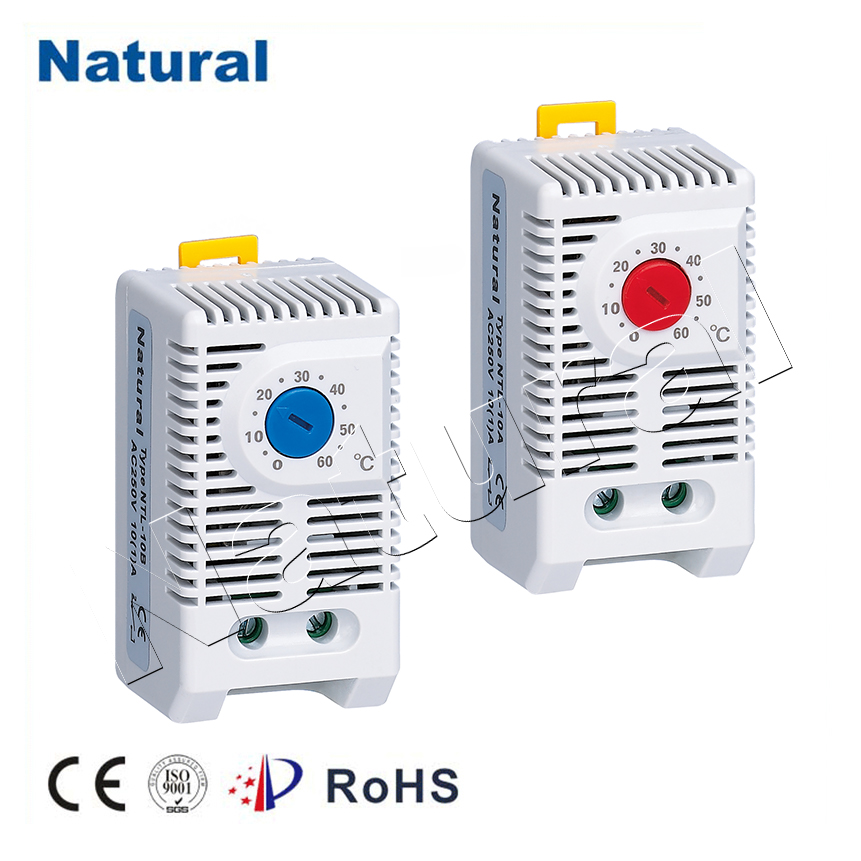
The Early Days of Thermostats The concept of controlling indoor temperature dates back to ancient civilizations using primitive methods like opening windows or lighting fires. However, it wasn’t until the late 19th century that the first modern thermostat was invented by Warren S. Johnson. His invention, designed to regulate temperature in commercial buildings, utilized a bimetallic strip that expanded and contracted with temperature changes, triggering a mechanical lever to open or close the heating system. The Rise of Programmable Thermostats The next significant leap in thermostat technology came with the introduction of programmable thermostats in the 1970s. These devices allowed users to set different temperature schedules for different times of the day, enabling energy savings by reducing heating or cooling when it wasn’t needed. Although they provided more control than traditional thermostats, programming them proved to be cumbersome for many users, leading to missed opportunities for energy efficiency. Enter the Smart Thermostats The true revolution in thermostat technology arrived with the advent of smart thermostats. These devices combine advanced sensors, Wi-Fi connectivity, and intelligent algorithms to create a seamless and energy-efficient temperature control experience. Smart thermostats can learn from user preferences and adapt to daily routines, adjusting temperatures automatically for optimal comfort and energy savings. One of the pioneers in this field was the Nest Learning Thermostat, introduced in 2011. It garnered attention for its sleek design and ability to learn from user interactions and adjust temperatures accordingly. Other companies followed suit, releasing their own versions of smart thermostats with varying features, such as remote control via smartphone apps and integration with virtual assistants like Amazon Alexa and Google Assistant. The Benefits of Smart Thermostats Smart thermostats offer several advantages beyond basic temperature control. Their ability to gather data about user behavior and external weather conditions allows them to make precise adjustments, resulting in energy savings of up to 10-15%. Additionally, remote control capabilities empower users to manage their home’s temperature even when they’re away, ensuring comfort upon their return while avoiding unnecessary energy consumption. Looking to the Future As technology continues to advance, the evolution of thermostats is far from over. The integration of artificial intelligence and machine learning promises to take smart thermostats to new heights. Imagine a thermostat that not only learns your habits but also predicts your preferences based on various factors. Such a system could optimize energy usage on an even more granular level, contributing to both comfort and sustainability. Furthermore, the concept of a connected home is gaining traction, and thermostats are becoming an integral part of this ecosystem. They can communicate with other smart devices, such as lighting systems and appliances, to create a holistic approach to energy management and overall home comfort. Conclusion From humble beginnings as a simple temperature control device, the thermostat has undergone a remarkable transformation. The evolution from mechanical levers to intelligent algorithms has not only improved our comfort but also promoted energy conservation in an increasingly eco-conscious world. As smart thermostats continue to advance, they pave the way for a more efficient and comfortable future, where technology seamlessly enhances our daily lives while preserving our planet’s resources.