Introduction
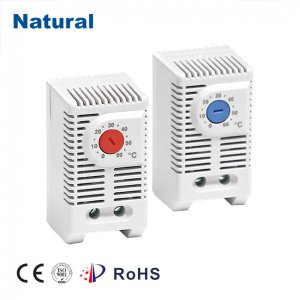
In today’s fast-paced world, where precision and efficiency are paramount, temperature control plays a pivotal role in various industries and everyday life. From maintaining ideal living conditions to ensuring industrial processes run smoothly, temperature controller thermostats have emerged as indispensable tools. This article delves into the significance and functionality of temperature controller thermostats, exploring their applications, types, and benefits. The Significance of Temperature Controller Thermostats Temperature controller thermostats serve as guardians of equilibrium, regulating temperature variations to achieve optimal conditions. These devices find applications in a wide range of scenarios, from residential and commercial settings to scientific laboratories and industrial facilities. They enable energy conservation, product quality enhancement, and operational safety across different sectors. Functionality and Types Temperature controller thermostats function as sophisticated feedback systems that continuously monitor temperature and adjust heating or cooling mechanisms to maintain a desired setpoint. They operate through a combination of sensors, controllers, and actuators. There are primarily two types of temperature controller thermostats: analog and digital. Analog thermostats, the traditional stalwarts, use bimetallic strips or gas-filled bulbs that expand or contract with temperature changes. This physical transformation triggers the opening or closing of electrical contacts, activating the heating or cooling system. However, digital thermostats have gained prominence due to their accuracy and programmable features. They employ sensors like thermocouples or resistance temperature detectors (RTDs) to measure temperature and provide precise control through microcontrollers. Applications Across Industries Residential:In homes, temperature controller thermostats regulate indoor climate, maintaining comfort levels and energy efficiency. Programmable thermostats allow users to set different temperatures for various times of the day, optimizing energy usage. Commercial:Commercial spaces, such as offices and retail stores, rely on these thermostats to create pleasant environments for employees and customers. Zoning systems enable different areas to be heated or cooled independently, conserving energy. Industrial:Industries like manufacturing, pharmaceuticals, and food processing require precise temperature control for production processes. Temperature controller thermostats ensure consistent quality and operational safety. Laboratories:Scientific research heavily depends on accurate temperature control. Incubators, climate chambers, and ovens equipped with these thermostats facilitate controlled experiments and storage of sensitive materials. Benefits and Future Trends The benefits of temperature controller thermostats are multifaceted: Energy Efficiency:By regulating temperature only when necessary, these devices reduce energy consumption and utility costs. Precision:Digital thermostats offer high accuracy, ensuring that temperature-sensitive processes and experiments yield reliable results. Remote Monitoring:Modern thermostats can be connected to the internet, enabling remote monitoring and control via smartphones or computers. Smart Integration:The rise of the Internet of Things (IoT) has led to the integration of thermostats with smart home systems, allowing seamless automation and customization. Environmental Impact:Energy-efficient temperature control contributes to reducing carbon footprints and mitigating climate change. Conclusion Temperature controller thermostats have evolved from basic analog devices to advanced digital systems, becoming indispensable tools in various domains. Their ability to regulate temperature, conserve energy, and ensure operational precision has made them an integral part of modern living and industrial processes. As technology continues to advance, temperature controller thermostats are poised to play an even more crucial role in shaping a sustainable and efficient future.