Introduction
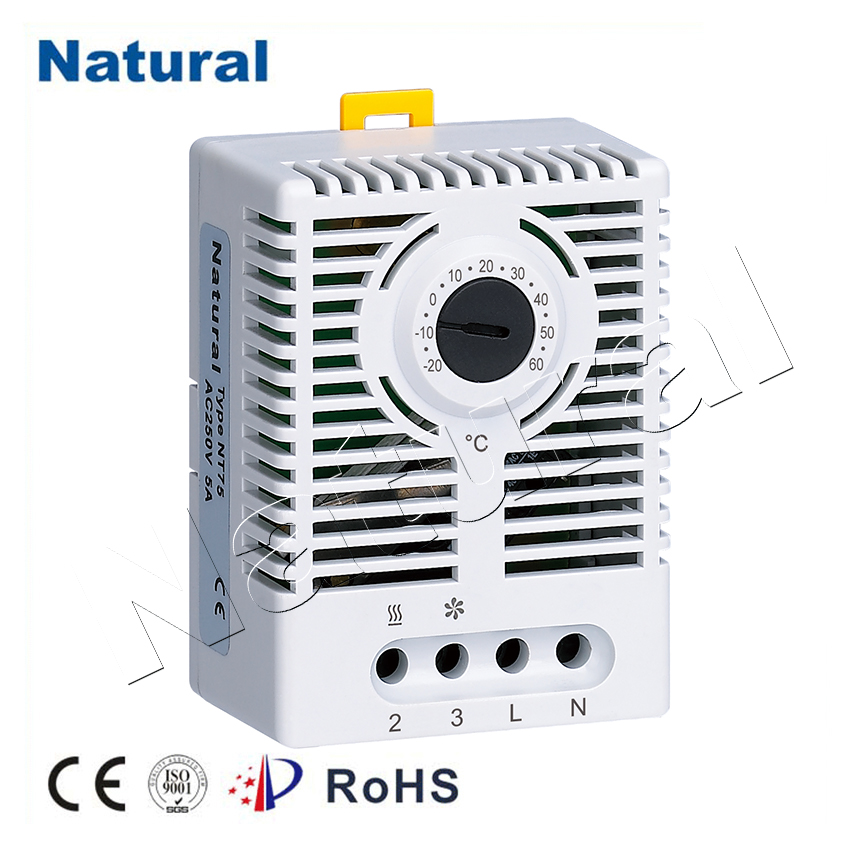
In the world of electrical appliances and systems, ensuring safety and preventing overheating is of paramount importance. One crucial component in achieving this is the thermostat thermal protector. These protectors come in two main configurations: normally open (NO) and normally closed (NC). In this article, we will delve into the workings of these two types of thermal protectors, exploring their mechanisms, applications, and benefits. The Basics of Normally Open and Normally Closed Thermal Protectors Normally Open (NO) Thermal Protectors: A normally open thermal protector, as the name suggests, is a device that is in an open state under normal operating conditions. It is designed to close the circuit and complete the electrical connection only when the temperature rises to a critical point. This type of thermal protector acts as a safety mechanism, preventing excessive heat buildup that could damage the equipment or even lead to a potential fire hazard. Normally Closed (NC) Thermal Protectors: Conversely, a normally closed thermal protector starts in a closed state, maintaining electrical contact during regular operation. When the temperature reaches a predetermined threshold, the protector opens the circuit, disrupting the flow of electricity. This rapid response to elevated temperatures helps safeguard the appliance or system from overheating. Applications of Normally Open and Normally Closed Thermal Protectors: Normally Open (NO) Protectors: NO thermal protectors are commonly found in devices where immediate shutdown is preferred upon reaching a certain temperature. They are used in applications such as: Motors:Electric motors in appliances like fans, refrigerators, and air conditioning units employ NO thermal protectors to prevent the motor from running at high temperatures. Heating Elements:In heating appliances like space heaters and water heaters, NO thermal protectors can halt the heating element operation to prevent accidents or equipment damage. Normally Closed (NC) Protectors: NC thermal protectors are suitable for applications where cutting off power at high temperatures is the primary concern. They find usage in scenarios such as: Lamps and Lighting:Incandescent and LED lamps incorporate NC thermal protectors to ensure that the heat generated by the lighting elements doesn’t cause overheating. Battery Packs:Devices that rely on battery power, such as laptops and power tools, utilize NC thermal protectors to prevent thermal runaway and extend battery lifespan. Benefits of NO and NC Thermal Protectors: Normally Open (NO) Protectors: Rapid Response:NO thermal protectors react quickly to high temperatures, minimizing the risk of damage or safety hazards. Energy Efficiency:By shutting off the circuit when not needed, these protectors help save energy and reduce operating costs. Normally Closed (NC) Protectors: Continuous Operation:NC thermal protectors allow the equipment to run without interruption during normal operating conditions. Precise Protection:These protectors offer a fine balance between preventing overheating and maintaining operation. Conclusion In the realm of electrical systems and appliances, the selection of the appropriate thermal protector type plays a pivotal role in ensuring safety and reliability. Both normally open (NO) and normally closed (NC) thermal protectors offer unique advantages based on the application’s requirements. NO protectors provide swift action in preventing overheating, while NC protectors ensure continuous operation with effective temperature control. Understanding these distinctions empowers engineers and manufacturers to make informed decisions that lead to safer and more efficient products.