Introduction
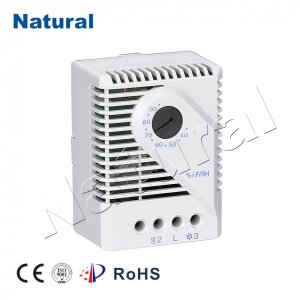
In the intricate world of modern engineering, where digital sensors and smart devices have taken center stage, there exists a humble yet indispensable component known as the mechanical temperature switch. Often overlooked amidst the digital frenzy, mechanical temperature switches play a vital role in a multitude of applications, ensuring reliable and straightforward temperature control. In this article, we will delve into the inner workings and various applications of mechanical temperature switches. The Basics of Mechanical Temperature Switches A mechanical temperature switch, as the name suggests, is a device that operates based on changes in temperature. Unlike its electronic counterparts, it does not rely on complex circuits or programming but instead functions through simple and robust mechanical mechanisms. At its core, a mechanical temperature switch consists of a bimetallic strip or a liquid-filled sensing element. These elements expand or contract in response to temperature fluctuations, thereby triggering a mechanical action. How It Works When the temperature rises or falls beyond a preset threshold, the bimetallic strip or sensing element within the temperature switch undergoes a physical change. This change in shape is harnessed to open or close an electrical circuit, which can activate or deactivate a connected device or system. For instance, in household appliances like electric kettles, a mechanical temperature switch is responsible for turning off the heating element once the water reaches the desired temperature. Applications Industrial Heating and Cooling Systems: Mechanical temperature switches are widely used in industrial processes to monitor and control temperatures in heating, ventilation, air conditioning, and refrigeration systems. Their rugged design and reliability make them suitable for demanding environments. Automotive: In vehicles, mechanical temperature switches help regulate the engine’s cooling system. When the engine temperature rises excessively, the switch triggers the cooling fan to maintain optimal operating conditions. Household Appliances: As mentioned earlier, appliances like irons, toasters, and ovens utilize mechanical temperature switches to prevent overheating and ensure user safety. Safety Systems: Mechanical temperature switches are integral components in safety systems, such as fire detection and suppression systems. They can trigger alarms or activate fire suppression mechanisms when temperatures reach critical levels. Oil and Gas Industry: In hazardous environments where electronic devices might be vulnerable to sparks, mechanical temperature switches provide a safe and reliable means of temperature control in processes involving flammable materials. Advantages The enduring popularity of mechanical temperature switches can be attributed to several key advantages: Robustness: Mechanical temperature switches are rugged and capable of withstanding harsh conditions, making them suitable for use in demanding industrial settings. Simplicity: Their straightforward design makes installation and maintenance hassle-free, and they do not require complex calibration or programming. Cost-Effectiveness: Mechanical temperature switches are often more affordable than their electronic counterparts, making them a cost-effective choice for various applications. Conclusion In the ever-evolving landscape of technological innovation, the simplicity and reliability of mechanical temperature switches continue to shine. From industrial giants to household essentials, these unassuming devices play a crucial role in ensuring safe and efficient temperature control. As we embrace the future of automation and digitization, let us not forget the enduring value of these mechanical marvels that have stood the test of time.