In today’s fast-paced industrial landscape, the need for maintaining clean and healthy air environments within factories and manufacturing facilities has become paramount. Industrial air filters play a crucial role in ensuring optimal air quality while also contributing to the efficiency and longevity of equipment. This article delves into the significance of industrial air filters, their types, and their essential benefits.
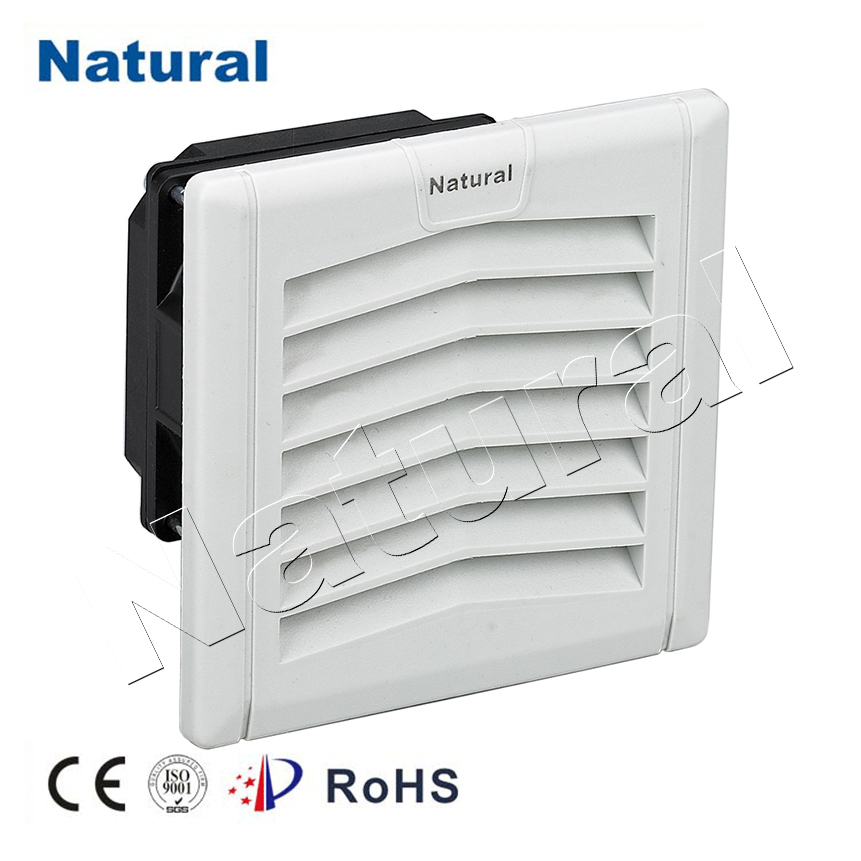
The Importance of Industrial Air Filters Industrial processes often involve the release of various pollutants and particulate matter into the air, which can have detrimental effects on both worker health and the machinery itself. Industrial air filters serve as the first line of defense against airborne contaminants, capturing dust, debris, pollutants, and even microorganisms from the ambient air. By preventing these particles from circulating within the working environment, air filters help maintain clean and safe air quality. Types of Industrial Air Filters Particulate Filters:These filters are designed to trap solid particles suspended in the air, such as dust, pollen, and soot. They typically use a combination of physical mechanisms like sieving, interception, and diffusion to capture particles of varying sizes. Gas Phase Filters:These filters are adept at capturing gaseous pollutants and volatile organic compounds (VOCs). They often use adsorption or chemical reaction processes to neutralize harmful gases, improving the overall air quality within the industrial setting. High-Efficiency Particulate Air (HEPA) Filters:HEPA filters are renowned for their exceptional ability to trap extremely small particles with high efficiency. They are widely used in environments that require stringent air quality standards, such as cleanrooms and medical facilities. Activated Carbon Filters:These filters are highly effective at adsorbing odors, chemicals, and volatile compounds. They are commonly used in industrial processes where specific gases need to be removed from the air stream. Benefits of Using Industrial Air Filters Worker Health and Safety:The foremost advantage of industrial air filters is the protection they offer to workers. By removing harmful particles and pollutants, these filters create a healthier work environment, reducing the risk of respiratory issues and other health problems caused by poor air quality. Equipment Longevity:Airborne particles and contaminants can lead to premature wear and damage to industrial machinery and equipment. By using air filters, manufacturers can extend the lifespan of their equipment and reduce maintenance costs. Regulatory Compliance:Many industries are subject to strict air quality regulations. Industrial air filters help businesses meet these regulatory requirements by minimizing emissions and maintaining the prescribed air quality standards. Improved Product Quality:In industries where product quality is paramount, such as food and pharmaceutical manufacturing, maintaining clean air environments is essential. Air filters prevent product contamination and ensure consistent quality. Energy Efficiency:Clean air filters contribute to the efficient operation of HVAC systems. Clogged or dirty filters can impede airflow, leading to higher energy consumption. Regularly maintained filters allow for optimal air circulation and lower energy costs. Conclusion Industrial air filters play an indispensable role in promoting healthy air quality, safeguarding worker well-being, and maintaining the efficiency of industrial processes. Their wide range of types and benefits make them an essential component in various industries, ranging from manufacturing to healthcare. By investing in high-quality air filtration systems and adopting regular maintenance practices, businesses can create cleaner, safer, and more productive work environments.