In today’s modern world, maintaining the right environmental conditions has become increasingly important across various industries and applications. Whether it’s in industrial processes, agriculture, or even our own homes, precise control over factors like temperature and humidity can significantly impact outcomes. This is where humidity controller thermostats step in, playing a pivotal role in ensuring that humidity levels remain within the desired range. In this article, we will delve into the significance and functionality of humidity controller thermostats.
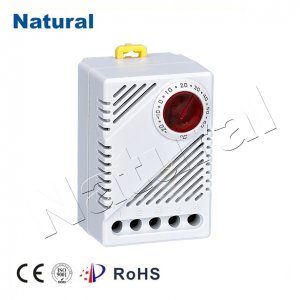
Understanding Humidity Controller Thermostats: A humidity controller thermostat is a sophisticated device designed to regulate both temperature and humidity levels in an enclosed environment. It operates by detecting the existing humidity level and comparing it to the preset target. If the humidity level deviates from the desired range, the humidity controller thermostat takes corrective actions to restore optimal conditions. Importance in Different Sectors: Industrial Applications:In industries such as pharmaceuticals, electronics manufacturing, and food processing, maintaining specific humidity levels is crucial. Fluctuations in humidity can impact product quality, shelf life, and even production efficiency. Humidity controller thermostats ensure that these environments remain stable, minimizing the risk of spoilage, defects, or malfunctions. Agriculture and Horticulture:In controlled environment agriculture (CEA), where crops are grown indoors, humidity control is essential for plant growth. Humidity controller thermostats help prevent issues like mold growth, wilting, and disease that can arise from excessive moisture or dryness. Home Comfort:Humidity levels also play a significant role in our daily lives. Too much humidity can lead to discomfort and health issues, while too little can cause dry skin and respiratory problems. Humidity controller thermostats in HVAC systems help maintain a healthy and comfortable indoor environment. Functionality and Features: Humidity controller thermostats come with a range of features to ensure efficient operation: Humidity Sensing:The core function of a humidity controller thermostat is to accurately measure the humidity level in the environment. This is usually done using sensors like capacitive or resistive humidity sensors. Setpoint Adjustment:Users can set their desired humidity levels on the thermostat. Once the actual humidity deviates from this setpoint, the thermostat initiates appropriate actions. Humidification and Dehumidification:Based on the deviation from the setpoint, the thermostat can activate humidification devices (like humidifiers) or dehumidification devices (like dehumidifiers) to restore optimal humidity levels. Integration with Temperature Control:Many humidity controller thermostats also integrate temperature control. This is especially useful as humidity levels are often influenced by temperature changes. Alarms and Alerts:In critical applications, such as server rooms or labs, humidity controller thermostats can generate alerts or alarms when conditions fall outside the acceptable range. Benefits: Energy Efficiency:By preventing extreme humidity fluctuations, these controllers reduce the workload on HVAC systems, leading to energy savings. Preserving Materials:In museums, libraries, and archival storage, humidity control helps protect sensitive materials from deterioration. Health and Well-being:Maintaining optimal humidity levels contributes to indoor air quality, benefiting human health and comfort. Conclusion: Humidity controller thermostats are indispensable tools in achieving and maintaining optimal environmental conditions across various domains. Their ability to regulate humidity levels effectively ensures the quality of products, the growth of plants, and the comfort of occupants. As technology advances, we can expect even more sophisticated and precise humidity control solutions to further enhance our ability to harness the power of environmental control.