Introduction
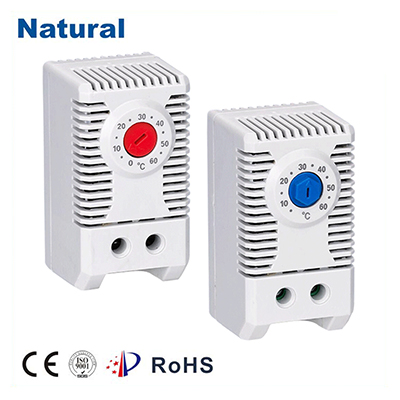
In the modern world, technology has made tremendous strides, leading to innovations that have transformed various aspects of our lives. One such innovation is the high temperature thermostat, a crucial component used in various industries and applications. This article delves into the significance and functionality of high temperature thermostats, exploring their uses, benefits, and contributions to different fields. Understanding High Temperature Thermostats A high temperature thermostat, as the name suggests, is a specialized device designed to regulate and maintain elevated temperatures in various systems and equipment. Unlike conventional thermostats that manage room temperatures, high temperature thermostats are engineered to handle extreme heat conditions often encountered in industrial processes, laboratories, manufacturing, and research facilities. Functionality and Applications The primary function of a high temperature thermostat is to ensure precise temperature control in environments where traditional thermostats would fail. These devices utilize advanced sensing mechanisms and intelligent control systems to achieve and sustain specific temperatures, ensuring consistent and reliable outcomes in diverse applications. Industrial Processes: High temperature thermostats play a vital role in industrial processes such as chemical reactions, metal heat treatment, and polymer production. These processes often demand strict temperature control to achieve desired results and maintain product quality. Laboratories and Research: Scientific experiments and research activities often require stable and controlled high temperatures. High temperature thermostats are indispensable in fields like materials science, biology, and chemistry, where maintaining precise temperature conditions can influence outcomes. Medical and Pharmaceutical: In pharmaceutical manufacturing and medical research, high temperature thermostats contribute to the development of drugs, vaccines, and medical devices. These devices aid in the creation of consistent and reproducible conditions necessary for quality assurance and research accuracy. Energy and Environment: High temperature thermostats are utilized in testing and evaluating materials and components for energy-efficient systems, as well as simulating extreme environmental conditions to assess product durability and performance. Benefits and Advantages The adoption of high temperature thermostats brings forth numerous benefits across various industries: Accuracy: High temperature thermostats offer a high degree of temperature accuracy, ensuring that the desired temperature is maintained with minimal deviation. This accuracy is critical for achieving consistent results in research and industrial processes. Stability: These thermostats provide exceptional temperature stability, preventing fluctuations that could adversely affect experiments or manufacturing processes. Safety: In applications where safety is paramount, such as petrochemical production, the use of high temperature thermostats minimizes the risk of overheating, which could lead to hazardous situations. Efficiency: By maintaining precise temperatures, high temperature thermostats optimize energy usage and improve overall process efficiency, ultimately reducing operational costs. Conclusion High temperature thermostats represent a remarkable intersection of technology and innovation, catering to the demanding requirements of industries that operate in extreme heat conditions. Their ability to provide accurate, stable, and safe temperature control has revolutionized industrial processes, research endeavors, and scientific advancements. As technology continues to advance, we can anticipate further refinements in high temperature thermostat design, leading to even more efficient and precise temperature regulation across diverse applications.