Introduction
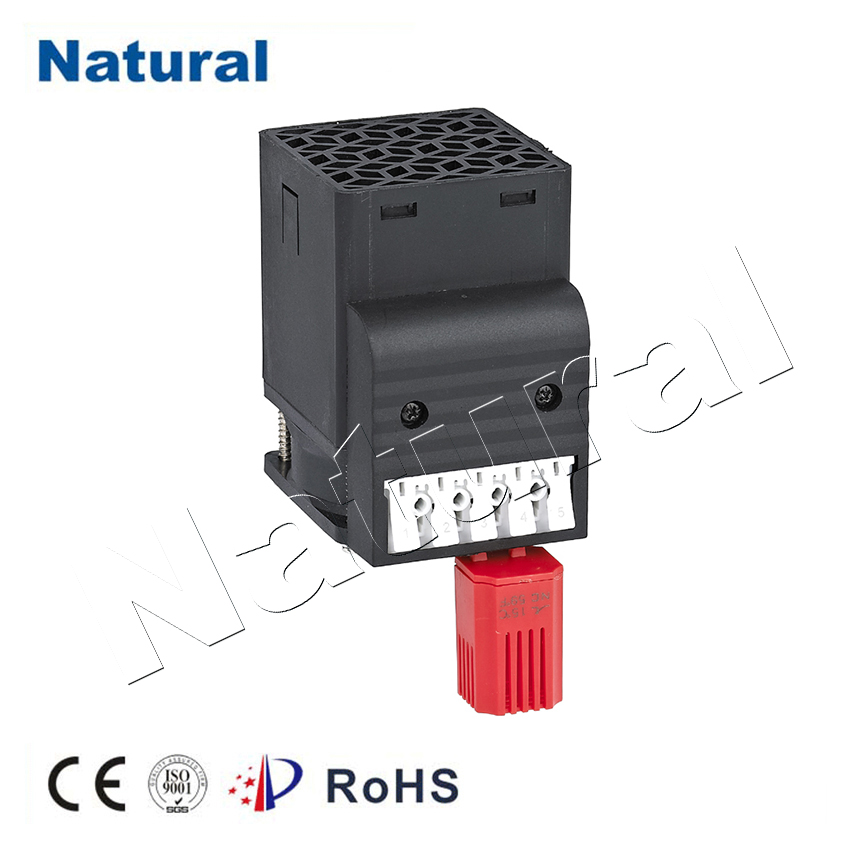
In the realm of modern comfort and energy efficiency, heater thermostats stand as unsung heroes, orchestrating the delicate dance between warmth and cost savings. These unassuming devices play a pivotal role in regulating temperatures within our living spaces, providing not only comfort but also contributing to a greener and more sustainable future. This article delves into the fascinating world of heater thermostats, exploring their functions, types, benefits, and the significant impact they have on our lives. The Functions of Heater Thermostats At its core, a heater thermostat is a device that maintains a desired temperature by controlling the operation of a heating system. It achieves this by constantly monitoring the ambient temperature and comparing it to the preset temperature. When the ambient temperature deviates from the desired level, the thermostat sends signals to the heating system to either turn on or off, ensuring that the temperature remains consistent. This dynamic process not only keeps us warm and comfortable but also prevents energy wastage by avoiding unnecessary heating. Types of Heater Thermostats Heater thermostats come in various types, each designed to cater to specific needs and preferences. The most common types include: Mechanical Thermostats:These traditional thermostats use a bimetallic strip that expands or contracts with temperature changes, causing a mechanical switch to activate the heating system. Digital Programmable Thermostats:These advanced thermostats allow users to set different temperatures for different times of the day. This precise control helps optimize energy usage by reducing heating when it’s not needed. Smart Thermostats:The epitome of modern technology, smart thermostats connect to the internet and can be controlled remotely via smartphones or other devices. They also adapt to users’ behaviors and make real-time adjustments for maximum energy efficiency. Benefits of Heater Thermostats The benefits of heater thermostats extend far beyond mere temperature regulation: Energy Efficiency:By preventing overheating and reducing the runtime of heating systems, thermostats significantly cut down energy consumption and utility bills. Cost Savings:Lower energy usage translates to lower bills, providing considerable long-term savings for households and businesses alike. Environmental Impact:The reduced energy consumption directly contributes to a smaller carbon footprint, supporting global efforts to combat climate change. Enhanced Comfort:Heater thermostats ensure consistent and comfortable temperatures throughout the day, eliminating the need for manual adjustments. Convenience:Programmable and smart thermostats offer unparalleled convenience, enabling users to control their heating systems remotely and customize settings according to their routines. The Future of Heater Thermostats As technology continues to evolve, the future of heater thermostats looks promising. Advancements in artificial intelligence, machine learning, and sensor technology are likely to enhance the capabilities of these devices even further. Predictive algorithms could anticipate temperature fluctuations and adjust settings accordingly, optimizing both comfort and energy consumption. Integration with renewable energy sources and home automation systems could create a holistic approach to energy management. Conclusion In the grand tapestry of modern living, heater thermostats may not be the stars of the show, but they play a crucial role behind the scenes. From mechanical marvels to cutting-edge smart devices, thermostats have come a long way in their quest to keep us warm, comfortable, and environmentally responsible. As we continue to strive for a sustainable future, these unassuming devices will remain steadfast companions on our journey towards a greener, more energy-efficient world.