In various industrial settings, safety is of paramount importance, especially in hazardous environments where the potential for accidents or mishaps is significantly higher. One essential component that contributes to safety in such environments is the Hazardous Area Thermostat. This specialized device plays a crucial role in regulating temperature and ensuring operational integrity in spaces where volatile substances or potentially explosive materials are present.
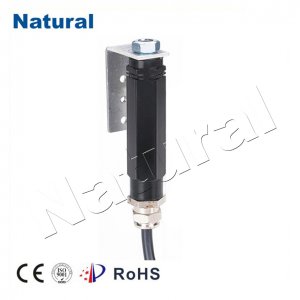
Hazardous Area Thermostats are meticulously designed to meet stringent safety standards and regulations. These thermostats are engineered to function effectively in environments where the risk of ignition is elevated due to the presence of flammable gases, vapors, or dust. Industries such as oil and gas, chemical processing, mining, and pharmaceuticals rely on these thermostats to maintain optimal temperatures without compromising the safety of their operations. Key Features and Benefits: The Hazardous Area Thermostat comes equipped with a range of features that make it an indispensable tool for maintaining a secure environment: Explosion-Proof Design: One of the primary features of these thermostats is their explosion-proof design. This design prevents any sparks or electrical arcs from occurring within the thermostat, ensuring that no potential ignition source is present. Enclosure Integrity: Hazardous Area Thermostats are enclosed in robust and durable casings that prevent the entry of hazardous substances. This enclosure integrity is vital in keeping the internal components isolated from the external environment. Temperature Accuracy: Accurate temperature control is essential in hazardous environments to prevent overheating and maintain stability. These thermostats offer precise temperature regulation, reducing the risk of any unwanted reactions. Remote Monitoring and Control: Many Hazardous Area Thermostats are equipped with advanced technologies that allow remote monitoring and control. This feature enables operators to adjust settings and receive real-time updates without entering the hazardous area. Durability: Designed to withstand harsh conditions, these thermostats are built with materials that resist corrosion, moisture, and other environmental factors. Certifications and Compliance: Hazardous Area Thermostats undergo rigorous testing and certification to ensure they meet industry standards and regulatory requirements, providing peace of mind to operators and stakeholders. Applications: Hazardous Area Thermostats find application in a wide range of industries and settings: Oil and Gas Industry: These thermostats are used in refineries, drilling platforms, and petrochemical plants to maintain safe operating temperatures for equipment and prevent the accumulation of explosive gases. Chemical Processing: In chemical manufacturing plants, Hazardous Area Thermostats regulate temperatures during various chemical reactions, reducing the risk of thermal runaways or hazardous byproduct formation. Mining Operations: Hazardous environments in mining, such as coal mines, require precise temperature control to prevent the ignition of methane gas or coal dust. Pharmaceutical Production: Hazardous Area Thermostats play a role in maintaining controlled environments for the production of pharmaceuticals, where certain substances could pose risks if exposed to temperature fluctuations. Conclusion: In hazardous environments, safety is non-negotiable, and Hazardous Area Thermostats emerge as indispensable guardians of secure operations. Their explosion-proof design, temperature accuracy, and durability make them essential components for various industries. As technology continues to advance, these thermostats will likely incorporate even more sophisticated features, further enhancing safety and efficiency in hazardous environments. The evolution of Hazardous Area Thermostats underscores the ongoing commitment to safeguarding both personnel and processes in some of the most challenging industrial settings.