Introduction
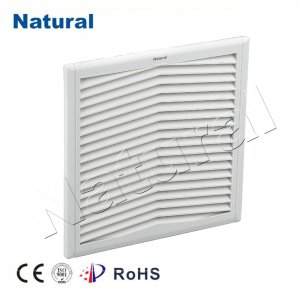
In today’s technology-driven world, electronic components are becoming increasingly compact and powerful. As a result, the need for efficient and reliable cooling solutions within enclosures and cabinets has never been more critical. Filter fans have emerged as a versatile and effective tool to address this challenge, offering optimal ventilation and cooling to safeguard sensitive equipment from overheating and ensure optimal performance. Filter Fans: A Brief Overview Filter fans are specialized devices designed to maintain a consistent airflow within enclosures and cabinets. They consist of a fan unit and a filter element, which work in tandem to circulate air and remove potentially harmful particles from the environment. These fans are strategically placed in the enclosure to facilitate the ingress of fresh, cool air while expelling heated air, thereby maintaining an ideal operating temperature for enclosed electronics. Ventilation Efficiency One of the primary functions of filter fans is to enhance ventilation within enclosures. Stagnant air can quickly lead to heat buildup, which can compromise the functionality and lifespan of electronic components. Filter fans create a steady airflow that prevents the accumulation of hot spots and ensures uniform temperature distribution throughout the enclosure. This efficient ventilation mechanism not only extends the life of the components but also reduces the risk of malfunctions caused by excessive heat. Effective Cooling Heat dissipation is a critical factor in the reliable operation of electronic equipment. Filter fans play a crucial role in cooling sensitive components by expelling heated air and introducing cooler air from the surroundings. This active cooling process helps maintain the temperature of the enclosure within an acceptable range, preventing overheating and potential damage. As a result, filter fans contribute significantly to the stability and performance of electronic systems, making them an indispensable asset in various industries. Protection Against Contaminants In addition to temperature regulation, filter fans also offer protection against contaminants that could potentially harm electronic components. The filter element within the fan unit captures particles such as dust, dirt, and moisture, preventing them from entering the enclosure. This feature is especially valuable in industrial environments where airborne particles are prevalent. By maintaining a clean and debris-free internal environment, filter fans contribute to the overall reliability and longevity of the enclosed electronics. Customization and Integration Filter fan systems are versatile and can be customized to suit specific enclosure and cabinet requirements. They come in various sizes, airflow capacities, and filter types, allowing engineers to tailor the solution to the unique needs of their application. Additionally, filter fans can be seamlessly integrated into existing enclosures without the need for extensive modifications. This flexibility ensures that businesses can optimize their cooling solutions while minimizing downtime and installation costs. Conclusion Filter fans have become an essential component in maintaining optimal operating conditions for electronic enclosures and cabinets. Their ability to provide efficient ventilation, effective cooling, and protection against contaminants ensures the reliable performance and longevity of sensitive equipment. As technology continues to advance and electronics become more intricate, the role of filter fans in safeguarding these components from overheating and environmental hazards will only become more crucial. Embracing filter fan technology is a proactive step toward enhancing the efficiency and reliability of electronic systems across various industries.