In our modern world, air quality has become an essential concern for maintaining a healthy and comfortable living environment. As industrialization and urbanization continue to rise, so do the levels of pollutants and particulate matter in the air we breathe. In this context, the role of filter fans has emerged as a crucial solution to address these challenges and ensure better air quality.
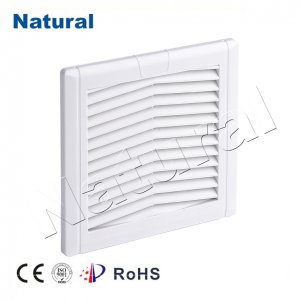
Filter fans, also known as ventilation fans with filtration systems, play a pivotal role in purifying indoor and outdoor air. These devices are designed to draw in air from the surroundings and pass it through a series of filters that capture dust, pollen, allergens, smoke, and other harmful particles. The filtered air is then circulated back into the environment, providing a continuous flow of clean and fresh air. One of the primary benefits of filter fans is their versatility. They can be installed in various settings, ranging from residential spaces to commercial buildings, factories, and even vehicles. This adaptability makes them a valuable tool in combatting indoor air pollution, which is often exacerbated by factors such as poor ventilation, smoking, and the use of household chemicals. In homes, filter fans find application in areas like kitchens and bathrooms, where humidity and odors tend to accumulate. By eliminating excess moisture and unwanted smells, these fans contribute to a more pleasant and healthier living environment. Furthermore, they aid in reducing the risk of mold growth, which can have detrimental effects on respiratory health. Commercial establishments also reap the benefits of filter fans. Restaurants, for instance, can maintain a cleaner atmosphere by minimizing cooking odors and smoke, creating a more enjoyable dining experience for patrons. Office buildings equipped with filter fans can ensure that employees have access to cleaner air, leading to improved concentration, productivity, and overall well-being. In industrial settings, filter fans play a critical role in maintaining air quality for both workers and machinery. Factories often produce a significant amount of airborne particles and pollutants that can pose serious health risks. By strategically placing filter fans, these particles can be captured before they disperse into the air, safeguarding the health of employees and preventing damage to sensitive equipment. The transportation sector also benefits from the implementation of filter fans. Vehicles equipped with these systems can minimize the entry of external pollutants, ensuring that passengers breathe cleaner air during their journeys. This is especially important in densely populated urban areas, where traffic-related pollutants are a major concern. As the world becomes more environmentally conscious, the integration of filter fans with smart technology has gained prominence. Many filter fan systems now come equipped with sensors that monitor air quality in real time. When pollutant levels rise above acceptable thresholds, the fans automatically adjust their speed to increase filtration efficiency, providing immediate response to changing conditions. In conclusion, filter fans have emerged as a powerful tool in the ongoing battle for cleaner air. Their ability to capture and remove pollutants from indoor and outdoor environments makes them indispensable in various settings, from residential to industrial. By enhancing air quality, filter fans contribute to healthier living spaces, improved workplace conditions, and a more sustainable future. As technology continues to advance, we can expect further innovations in filter fan design, ultimately leading to even more effective and efficient air purification solutions.