In the realm of modern heating and cooling systems, fan thermostats emerge as a technological marvel, playing a pivotal role in maintaining indoor comfort while optimizing energy efficiency. These unassuming devices, often overlooked, are the unsung heroes behind the scenes, regulating temperatures and ensuring a harmonious living environment. In this article, we delve into the fascinating world of fan thermostats, uncovering their mechanisms, benefits, and contributions to a sustainable future.
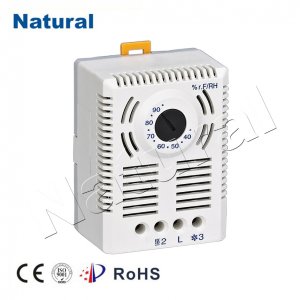
At its core, a fan thermostat is a specialized control device that operates in conjunction with heating and cooling systems. Its primary function is to monitor and regulate the temperature within a defined space, such as a room or building, by activating or deactivating the fan in response to temperature changes. This simple yet ingenious process embodies the synergy between technology and comfort. The mechanism behind a fan thermostat is elegantly straightforward. A temperature-sensitive sensor embedded within the device constantly measures the ambient temperature. When the temperature deviates from the preset desired level, the fan thermostat springs into action. If the temperature rises above the set threshold, the fan kicks in, circulating cool air produced by the air conditioning system. Conversely, if the temperature drops below the desired level, the fan is deactivated, preventing unnecessary energy consumption. The advantages of fan thermostats are multifaceted. One of their most notable benefits is the reduction of energy consumption, subsequently leading to lower utility bills and a decreased carbon footprint. Traditional non-automated cooling systems, for instance, often operate continuously, even when the target temperature is achieved. Fan thermostats intelligently address this issue by activating the fan only when necessary, thus conserving energy without sacrificing comfort. Moreover, fan thermostats contribute to the extended lifespan of heating and cooling equipment. The controlled cycling of the fan prevents rapid and frequent on-off cycles of the entire system, reducing wear and tear on crucial components. This results in fewer maintenance requirements and a longer operational lifespan of the overall system. The deployment of fan thermostats also promotes indoor air quality. By ensuring consistent air circulation, these devices prevent the stagnation of air and the accumulation of dust or pollutants. This is particularly significant for spaces with limited natural ventilation, where the regular exchange of air is crucial for a healthy and pleasant environment. In the context of our planet’s escalating climate concerns, fan thermostats emerge as a vital tool in fostering sustainability. Their role in optimizing energy use aligns perfectly with the global drive towards reducing greenhouse gas emissions. As more individuals and businesses adopt these smart devices, the cumulative impact on energy conservation and environmental preservation is substantial. In conclusion, the unassuming fan thermostat stands as a testament to the fusion of innovation and comfort. Its ability to regulate temperature, enhance energy efficiency, and promote environmental responsibility underscores its significance in the modern world. As we continue to advance technologically, let us not forget the pivotal role played by these unassuming devices, working tirelessly to create a more sustainable and comfortable future for all.