In our modern world, where air pollution and indoor contaminants have become growing concerns, the importance of clean and fresh air cannot be overstated. One remarkable solution that has emerged to address this issue is the fan filter. Fan filters are ingenious devices designed to improve air quality, enhance system performance, and contribute to a healthier environment. In this article, we delve into the significance of fan filters and their various applications.
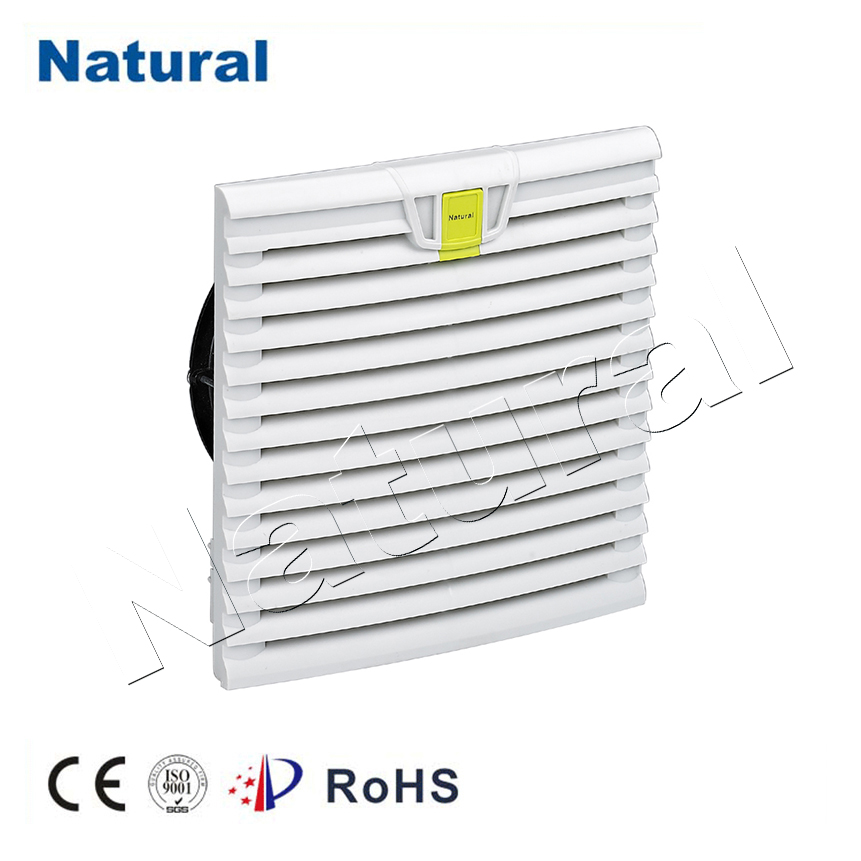
Understanding Fan Filters A fan filter is a mechanical accessory employed in ventilation and air conditioning systems. Its primary function is to capture and remove airborne particles and pollutants from the air passing through it. Fan filters work by employing a combination of physical and chemical mechanisms, effectively reducing dust, pollen, bacteria, and other harmful particles present in the air. By preventing these contaminants from entering a space or equipment, fan filters contribute to better indoor air quality and promote a healthier living or working environment. Benefits of Fan Filters Improved Air Quality:One of the most evident advantages of using fan filters is the substantial improvement in air quality. By capturing particles that can trigger allergies and respiratory problems, fan filters create an environment that is more comfortable and safer for occupants. Extended Equipment Lifespan:Fan filters also play a vital role in maintaining the longevity of various equipment, such as computers, electronics, and machinery. By preventing dust and debris from accumulating on sensitive components, fan filters ensure efficient operation and reduce the risk of overheating. Enhanced System Performance:Clean air is essential for optimal performance. Fan filters help maintain consistent airflow by preventing clogs and obstructions that can hinder the efficiency of fans and other ventilation systems. This, in turn, leads to improved system performance and energy savings. Energy Efficiency:Using fan filters contributes to energy efficiency by keeping systems clean and preventing them from working harder than necessary. Clean systems require less energy to function correctly, resulting in reduced energy consumption and lower utility bills. Reduced Maintenance:With fan filters in place, the need for frequent and extensive maintenance is minimized. Regular filter replacement or cleaning is a straightforward task that significantly reduces the accumulation of dirt and dust in the system. Applications of Fan Filters Fan filters find application in various industries and settings: Residential:In homes, fan filters can be installed in heating, ventilation, and air conditioning (HVAC) systems to maintain a healthy indoor environment for families. Commercial:Offices, restaurants, and retail spaces benefit from fan filters by ensuring a clean and pleasant atmosphere for employees and customers alike. Industrial:Manufacturing facilities utilize fan filters to maintain equipment performance, prevent contamination, and create a safe working environment. Healthcare:Hospitals and clinics rely on fan filters to minimize the spread of airborne contaminants, creating a sterile environment conducive to patient recovery. Data Centers:Fan filters are essential components in data centers, protecting sensitive hardware from dust and debris that could compromise their operation. Conclusion The fan filter, a seemingly modest yet incredibly impactful invention, plays a significant role in enhancing air quality, preserving equipment, and promoting energy efficiency across various sectors. Its versatile applications underscore its importance in creating healthier and more efficient environments. As concerns about air quality and contamination continue to grow, the adoption of fan filters is set to become an even more integral part of our lives, ensuring the well-being of both individuals and technology.