Introduction
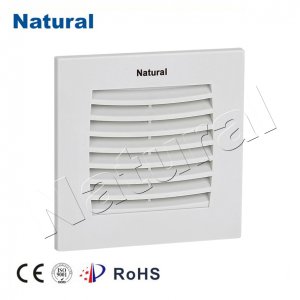
Electrical panels play a critical role in distributing and controlling power within various industrial and residential settings. These panels house an array of components that generate heat during operation. To ensure the optimal performance and longevity of these panels, maintaining an appropriate operating temperature is essential. One effective way to achieve this is by integrating fan filters into electrical panel designs. In this article, we will explore the significance of electrical panel fan filters and how they contribute to the overall efficiency and reliability of electrical systems. The Importance of Temperature Regulation Electrical panels consist of intricate circuits, breakers, and other components that generate heat as electricity flows through them. Excessive heat can lead to accelerated wear and tear, reduced component lifespan, and even system failures. To prevent such issues, maintaining a stable operating temperature is crucial. Fan filters play a vital role in this aspect by facilitating proper airflow and heat dissipation. Enhanced Airflow and Heat Dissipation Fan filters are specifically designed to promote optimal airflow within electrical panels. By drawing in cooler air from the surroundings and expelling hot air generated by the components, fan filters help maintain a balanced internal temperature. This continuous exchange of air prevents heat buildup and ensures that the components operate within their recommended temperature ranges. As a result, electrical panels equipped with fan filters are more likely to exhibit increased efficiency and reliability. Dust and Contaminant Mitigation In industrial environments, electrical panels are susceptible to accumulating dust, dirt, and other contaminants. The presence of these particles can hinder airflow, impede heat dissipation, and even lead to short circuits or electrical malfunctions. Fan filters act as the first line of defense against such intrusions. They capture airborne particles and prevent them from entering the panel, thus safeguarding the components and promoting a cleaner internal environment. Extended Component Lifespan The implementation of fan filters goes beyond immediate temperature regulation. By ensuring proper airflow and minimizing dust buildup, fan filters contribute to prolonging the lifespan of components within the electrical panel. Cooler operating temperatures and reduced exposure to contaminants can significantly reduce wear and stress on various elements, ultimately leading to fewer instances of component failure and a longer overall panel life. Energy Efficiency and Cost Savings Efficient temperature regulation through fan filters can also result in energy savings. When electrical panels operate within their designated temperature ranges, the need for additional cooling mechanisms, such as air conditioning, is reduced. This translates to lower energy consumption and decreased operational costs. Moreover, the extended lifespan of components means fewer replacements and maintenance requirements, further contributing to cost savings over time. Installation and Maintenance Considerations Integrating fan filters into electrical panels is a relatively straightforward process. Manufacturers often offer a range of filter sizes and designs to accommodate different panel configurations. Regular maintenance, such as cleaning or replacing filters as needed, is essential to ensure their continued effectiveness. Simple maintenance routines can prevent clogs and ensure that the fan filters operate optimally, thereby preserving the panel’s performance and reliability. Conclusion Electrical panel fan filters play a pivotal role in maintaining the efficient operation of electrical systems. By facilitating proper airflow, heat dissipation, and protection against contaminants, these filters contribute to enhanced performance, extended component lifespans, and reduced energy consumption. As technology continues to advance, integrating fan filters into electrical panel designs is an intelligent and cost-effective way to ensure the reliability and longevity of critical power distribution systems.