In the realm of electrical systems and machinery, the significance of maintaining optimal operating conditions cannot be overstated. Electrical cabinets, housing vital components like circuit boards and sensitive electronics, play a pivotal role in ensuring the smooth functioning of equipment. However, the environmental factors they encounter, such as dust, debris, and temperature fluctuations, can jeopardize their efficiency and longevity. Enter the unsung hero of these cabinets – the electrical cabinet filter. In this article, we will delve into the importance of these filters and how they contribute to the overall performance and reliability of electrical systems.
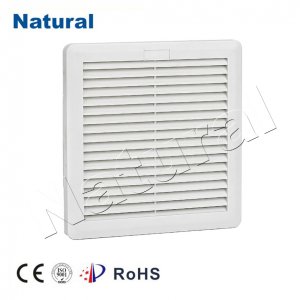
Electrical cabinet filters, often overlooked but essential, serve as the first line of defense against contaminants that can infiltrate the cabinets. Dust particles and airborne debris might seem innocuous, but over time, they can accumulate within the cabinets, leading to overheating, short circuits, and even system failures. By installing effective filters, these cabinets can be safeguarded against the ingress of such harmful elements, ultimately extending the lifespan of the equipment they protect. One of the primary benefits of electrical cabinet filters is their ability to maintain a controlled internal environment. These filters are designed to trap particles of various sizes, preventing them from settling on delicate components. This not only prevents potential malfunctions caused by particles interfering with circuitry but also ensures the efficient heat dissipation of the equipment. Heat generated during operation can be dissipated effectively when the cabinet’s vents are unobstructed, reducing the risk of overheating and related performance issues. In industrial settings, where machinery is often subjected to harsh environments, the importance of proper filtration becomes even more evident. Oil mist, corrosive gases, and other pollutants can wreak havoc on sensitive electronics. Specialized filters designed to capture these contaminants can help maintain a clean and safe environment within the cabinet, minimizing the risk of equipment corrosion and degradation. Moreover, electrical cabinet filters contribute to overall energy efficiency. When dust and debris accumulate within a cabinet, the cooling fans and other cooling mechanisms need to work harder to maintain the desired temperature. This not only consumes more energy but also places unnecessary stress on the equipment. By ensuring that the cabinet’s internal environment remains clean, filters enable the cooling systems to operate at their intended efficiency levels, thus reducing energy consumption and potentially extending the service life of cooling components. Selecting the appropriate filter for an electrical cabinet requires consideration of various factors, including the environment in which the equipment operates, the types of contaminants present, and the required airflow for cooling. Filters come in different types and efficiencies, ranging from simple mesh screens to high-efficiency particulate air (HEPA) filters. It’s crucial to choose a filter that strikes the right balance between filtration efficiency and airflow to prevent excessive pressure drops that could impede proper ventilation. In conclusion, electrical cabinet filters are essential components that often go unnoticed but play a vital role in maintaining the functionality, reliability, and longevity of electrical systems. By preventing the ingress of contaminants, ensuring proper heat dissipation, and contributing to energy efficiency, these filters contribute significantly to the overall performance of equipment. In the face of demanding industrial environments and rapidly evolving technology, the role of electrical cabinet filters remains as critical as ever. It’s imperative for engineers, maintenance professionals, and decision-makers to recognize their significance and invest in quality filters tailored to their specific needs.