Introduction
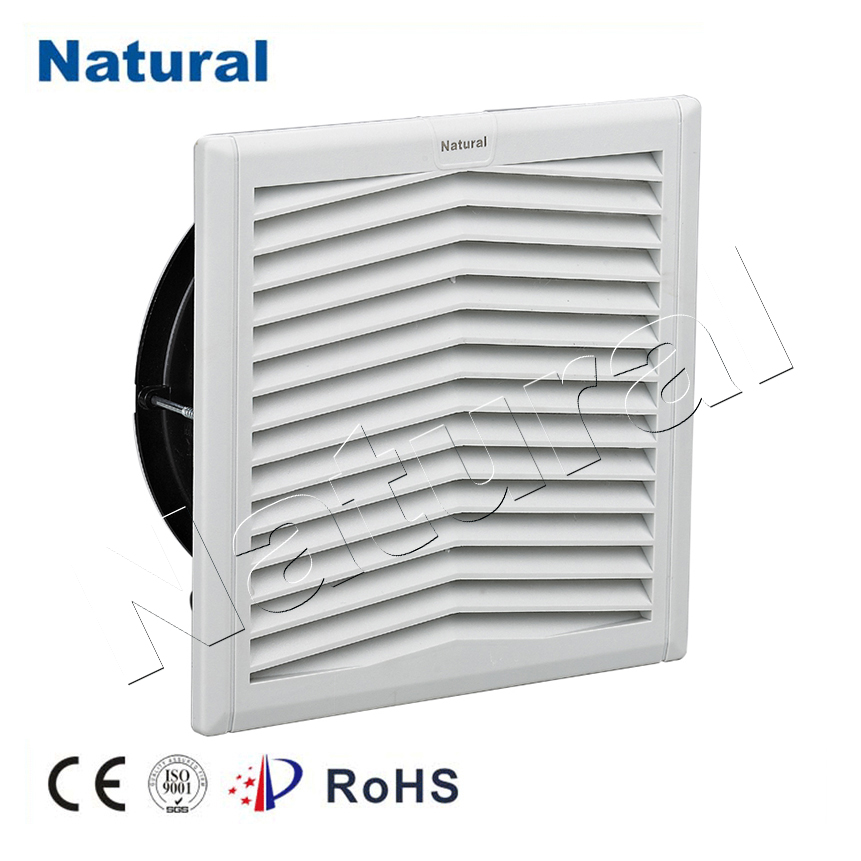
In an era where environmental concerns are at the forefront, the quality of the air we breathe within our homes has become an essential aspect of our well-being. Indoor air pollution is a growing concern, with various pollutants and allergens affecting our health and comfort. Fortunately, technological innovations have led to the development of electric fan filters, devices that play a crucial role in improving indoor air quality and creating healthier living environments. Understanding Electric Fan Filters Electric fan filters, also known as air purifiers, are advanced appliances designed to filter and clean the air within enclosed spaces. These devices work by drawing in air and passing it through a series of filters that capture particles such as dust, pollen, pet dander, smoke, and even microscopic pollutants. The purified air is then released back into the room, contributing to a fresher and cleaner indoor atmosphere. Key Benefits Allergen Reduction: Electric fan filters are particularly beneficial for individuals with allergies or asthma. By capturing allergens like pollen and pet dander, these filters help alleviate symptoms and create a more comfortable living environment. Smoke and Odor Removal: For those living in areas prone to pollution or experiencing indoor smoke from cooking, electric fan filters efficiently remove smoke particles and odors, ensuring the air remains clean and free from lingering smells. Dust and Particle Control: Dust accumulation is a common issue in indoor spaces, leading to respiratory problems and a less hygienic environment. Electric fan filters effectively trap dust and larger particles, reducing the need for frequent cleaning. Virus and Bacteria Filtration: In recent times, the importance of minimizing the spread of viruses and bacteria has been emphasized. Some advanced electric fan filters incorporate HEPA (High-Efficiency Particulate Air) filters, capable of capturing tiny particles, including airborne pathogens. Improved Sleep and Concentration: Clean air contributes to better sleep quality and enhanced concentration. By removing airborne irritants, electric fan filters create a conducive environment for rest and productivity. Factors to Consider When selecting an electric fan filter, several factors should be taken into account: Filter Type: Different filters are designed to target specific pollutants. HEPA filters are highly effective for particle removal, while activated carbon filters excel at eliminating odors and chemicals. Room Size: Choose a filter with an appropriate Clean Air Delivery Rate (CADR) for the size of the room you intend to use it in. Noise Level: Consider the noise level produced by the fan, especially if you plan to use the filter in a bedroom or workspace. Maintenance: Regular filter replacement or cleaning is essential for the continued efficiency of the device. Check the manufacturer’s recommendations for maintenance. Additional Features: Some filters come with features like air quality sensors, adjustable fan speeds, and timers for added convenience. Conclusion Electric fan filters have become indispensable tools for enhancing indoor air quality and creating healthier living spaces. As we become more conscious of the impact of pollutants on our well-being, investing in such technology can provide long-term benefits. From allergen reduction to virus filtration, these devices offer a range of advantages that contribute to improved respiratory health, better sleep, and overall comfort. When choosing an electric fan filter, careful consideration of factors such as filter type, room size, and maintenance will ensure that you make an informed decision to create a cleaner and more enjoyable indoor environment.