In modern industrial settings, where precision, efficiency, and safety are paramount, the role of temperature regulation cannot be understated. Electric cabinet thermostats emerge as indispensable components, playing a crucial role in maintaining optimal operating conditions for various equipment and electronics housed within cabinets. This article delves into the significance and workings of electric cabinet thermostats, exploring their benefits and applications.
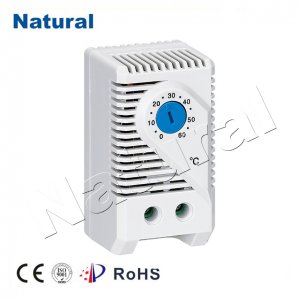
Understanding Electric Cabinet Thermostats Electric cabinet thermostats are devices designed to control the temperature inside enclosed spaces such as electrical cabinets, server racks, control panels, and other similar installations. These devices operate by sensing the temperature within the confined space and triggering heating or cooling mechanisms to maintain the temperature within a specified range. Benefits of Electric Cabinet Thermostats Temperature Stability: Electric cabinet thermostats ensure that the internal temperature remains stable, preventing overheating or freezing of sensitive components. This stability contributes to enhanced equipment performance and longevity. Energy Efficiency: By activating cooling or heating systems only when necessary, these thermostats help optimize energy consumption, leading to cost savings and reduced environmental impact. Preventing Condensation: Fluctuations in temperature can lead to condensation inside cabinets, posing a risk to electronic components. Electric cabinet thermostats mitigate this risk by maintaining a consistent temperature, thus preventing moisture-related damage. Remote Monitoring and Control: Many modern electric cabinet thermostats are equipped with smart features, enabling remote monitoring and adjustment of temperature settings. This capability proves invaluable in situations where physical access is limited or impractical. Equipment Longevity: Electronics and machinery perform optimally within specific temperature ranges. By ensuring these conditions, electric cabinet thermostats contribute to prolonged equipment lifespan and reduced maintenance needs. Applications of Electric Cabinet Thermostats Industrial Automation: Electric cabinet thermostats are extensively used in manufacturing facilities to regulate temperatures inside control cabinets housing automation equipment. Stable temperatures enhance the reliability and efficiency of automated processes. Data Centers: Server racks generate substantial heat, and efficient cooling is crucial to prevent equipment malfunction. Electric cabinet thermostats help maintain ideal temperatures within server cabinets, optimizing data center performance. Telecommunications: Network equipment, routers, and switches are often enclosed in cabinets. Thermostats ensure that these components operate within their recommended temperature ranges, minimizing downtime and signal disruptions. Medical Equipment: Sensitive medical instruments and diagnostic devices require precise temperature control. Electric cabinet thermostats provide the necessary environment for accurate and consistent medical measurements. Outdoor Installations: Electric cabinet thermostats are employed in outdoor installations as well, where they protect equipment from extreme temperature variations, humidity, and other environmental factors. Installation and Considerations When implementing electric cabinet thermostats, certain factors must be taken into account: Positioning: Proper placement of the thermostat sensor is critical to accurate temperature measurement. It should be strategically located to reflect the average temperature of the enclosed space. Temperature Range: Select a thermostat model that suits the required temperature range for your application. Some thermostats offer adjustable temperature settings, while others have fixed ranges. Wiring and Power: Ensure correct wiring and power supply for the thermostat. Many thermostats are designed for easy integration into existing electrical systems. Maintenance: Regular maintenance, including cleaning and calibration checks, ensures the thermostat’s continued accuracy and reliability. In Conclusion Electric cabinet thermostats serve as indispensable tools in maintaining optimal operating conditions for a wide range of industrial and electronic equipment. By providing temperature stability, energy efficiency, and remote control capabilities, these devices contribute to enhanced equipment performance, longevity, and safety. As technology continues to advance, electric cabinet thermostats are poised to play an even more significant role in shaping the future of industrial processes and electronic equipment management.