In the ever-evolving landscape of home automation and energy conservation, the dual thermostat has emerged as a remarkable innovation, seamlessly combining comfort and efficiency. As concerns about climate change and rising energy costs continue to grow, finding ways to strike a balance between staying comfortable and reducing energy consumption has become increasingly vital. The dual thermostat, a smart and adaptable device, has risen to the challenge, revolutionizing the way we control our indoor environments.
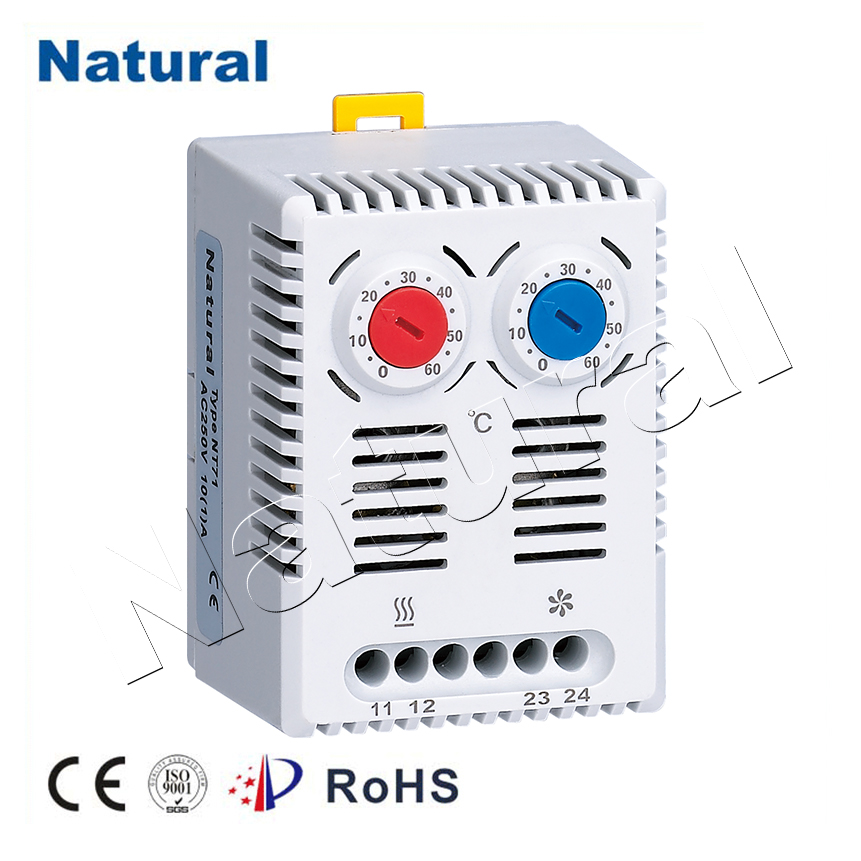
At its core, a dual thermostat consists of two distinct temperature sensors that operate in tandem to regulate heating and cooling systems. This innovative design takes advantage of both local and central temperature measurements, allowing for precise and responsive adjustments. The local sensor, often placed in the room where the thermostat is installed, ensures that the immediate environment is maintained at the desired temperature. Meanwhile, the central sensor, typically situated in a more central part of the home, provides a broader perspective of overall temperature conditions. The benefits of a dual thermostat are manifold. Firstly, it significantly enhances comfort levels. By considering both local and central temperature data, the thermostat can effectively minimize temperature discrepancies between different areas of the home. This eliminates the common issue of certain rooms being too hot or too cold while the thermostat is set to a single temperature. Imagine being able to enjoy the perfect temperature in your living room without freezing in the bedroom or sweltering in the kitchen. Moreover, the dual thermostat plays a pivotal role in energy efficiency. Traditional thermostats often result in overworking HVAC systems, as they focus solely on local conditions and might lead to excessive heating or cooling. In contrast, the dual thermostat’s ability to analyze central temperature trends prevents unnecessary energy consumption. The system can make informed decisions about when and how much to adjust heating or cooling, thus reducing the overall energy usage and lowering utility bills. One of the standout features of the dual thermostat is its adaptability. Modern versions of this technology are often equipped with smart learning algorithms that can memorize and predict user preferences over time. This means that the thermostat will learn when to adjust the temperature based on your daily routines and behaviors. If you tend to lower the temperature during the night, the thermostat will anticipate this and make the necessary changes automatically, sparing you from having to program it repeatedly. Furthermore, the integration of dual thermostats into smart home ecosystems has opened up new possibilities for energy management. Users can control their thermostats remotely through smartphone apps, ensuring that the home is comfortable upon their arrival. Additionally, these systems can be synchronized with other smart devices, such as window shades or ceiling fans, to further optimize energy usage and comfort. In conclusion, the dual thermostat represents a significant advancement in the quest for harmonizing indoor comfort with energy efficiency. By harnessing the power of two temperature sensors and incorporating intelligent algorithms, this innovative technology has proven itself capable of providing optimal comfort while reducing energy consumption. As our awareness of environmental issues grows, adopting such energy-efficient solutions will undoubtedly play a pivotal role in shaping a more sustainable future for generations to come.