In the ever-evolving landscape of heating, ventilation, and air conditioning (HVAC) technology, DIN rail thermostats have emerged as remarkable innovations, offering both efficiency and versatility. These compact devices have revolutionized temperature control systems across industrial, commercial, and residential settings. In this article, we delve into the world of DIN rail thermostats, exploring their features, benefits, and the diverse applications that make them indispensable components in modern HVAC systems.
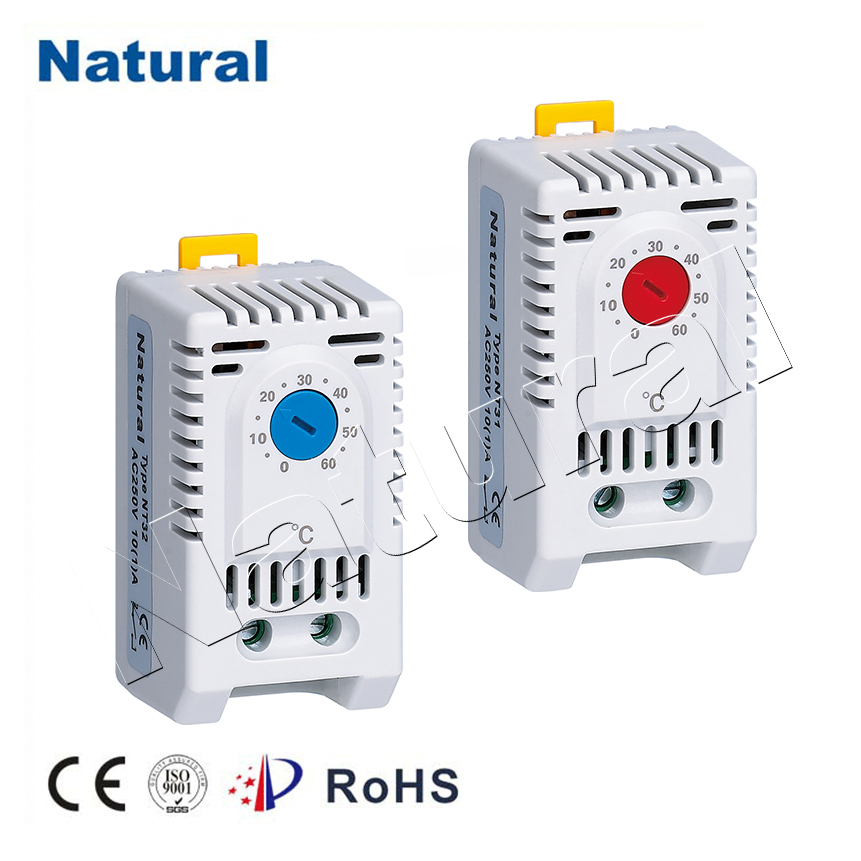
Introduction to DIN Rail Thermostats DIN rail thermostats, also known as industrial thermostats, are specialized temperature control devices designed to regulate heating and cooling systems with utmost precision. They are named after the DIN rail, a standardized metal rail used for mounting various industrial control equipment. This form factor allows DIN rail thermostats to be seamlessly integrated into existing control panels and enclosures, optimizing space utilization and enhancing installation flexibility. Features and Functionality These thermostats boast an array of features that make them stand out in the realm of temperature regulation. Most models come equipped with programmable settings, allowing users to schedule temperature changes based on time or specific events. This not only ensures a comfortable environment but also contributes to energy conservation. Furthermore, DIN rail thermostats often offer compatibility with a variety of sensors, enabling them to accurately measure temperature, humidity, and other environmental parameters. This data-driven approach ensures that HVAC systems respond promptly to changing conditions, maintaining optimal conditions while minimizing energy wastage. Benefits of DIN Rail Thermostats The benefits of incorporating DIN rail thermostats into HVAC systems are manifold. Firstly, their modular nature simplifies installation and maintenance. Since they can be easily snapped onto DIN rails, they eliminate the need for complex mounting procedures, reducing downtime during setup or replacement. Secondly, their adaptability is a major advantage. Whether it’s a small server room, a sprawling factory floor, or a residential building, DIN rail thermostats can be configured to suit various spaces. The ability to tailor temperature control settings ensures that environments are kept comfortable and energy-efficient. Applications Across Industries DIN rail thermostats find applications across a wide range of industries. In industrial settings, they regulate temperatures in manufacturing processes, ensuring consistent product quality and machinery performance. In commercial spaces, such as offices and retail stores, these thermostats maintain comfortable working conditions for occupants. Moreover, their role extends to critical environments like data centers, where precise temperature control is essential to prevent overheating and equipment failure. In residential contexts, they contribute to energy-efficient home heating and cooling, reducing utility bills and carbon footprints. Future Trends and Innovations As technology continues to advance, DIN rail thermostats are likely to evolve as well. Integration with smart building systems is an area that holds immense potential. By connecting these thermostats to central building management platforms, users can remotely monitor and adjust temperature settings, leading to enhanced energy management and convenience. Furthermore, advancements in sensor technology and machine learning could enable these thermostats to predict temperature fluctuations and adjust settings preemptively, optimizing comfort and energy consumption. Conclusion DIN rail thermostats have earned their place as indispensable components in modern HVAC systems, owing to their efficiency, adaptability, and compatibility with diverse applications. From industrial processes to commercial spaces and residential dwellings, these devices play a pivotal role in maintaining comfortable environments while minimizing energy consumption. As technology marches forward, we can only anticipate more innovative features and applications for these compact yet powerful temperature control solutions.