Introduction
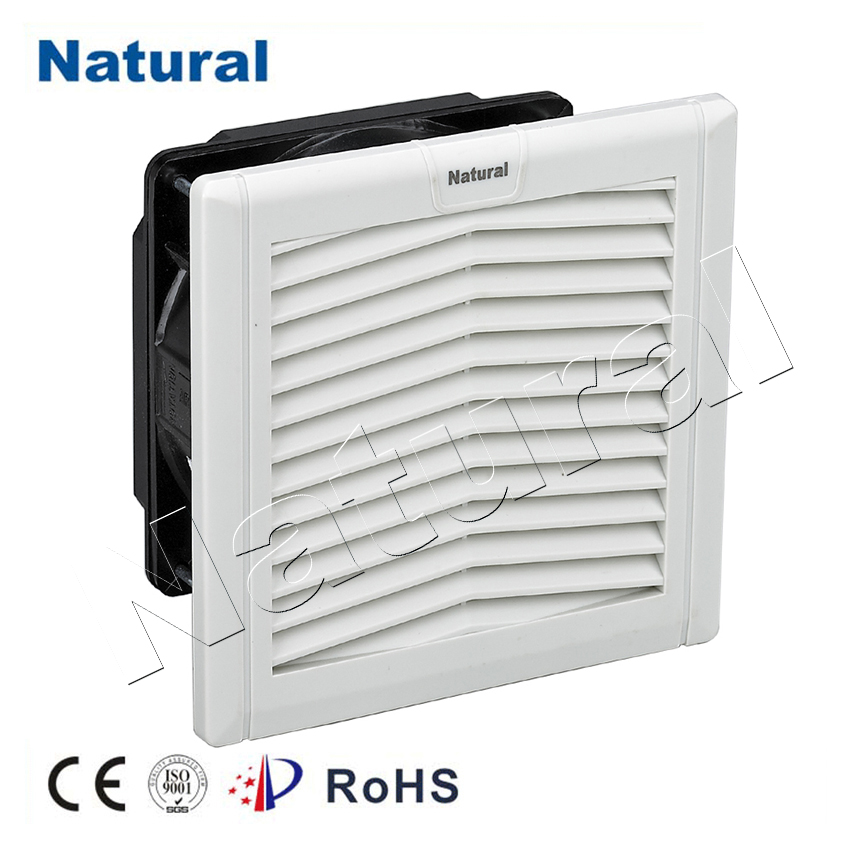
In the realm of electronics and technology, cooling systems play a crucial role in maintaining optimal performance and preventing overheating. Within these systems, cooling fans serve as the frontline defense against temperature buildup. However, their effectiveness can be compromised by the accumulation of dust, debris, and particles over time. Cooling fan filters emerge as the unsung heroes in this context, offering a simple yet powerful solution to ensure efficient cooling and prolong the lifespan of electronic devices. The Significance of Cooling Fan Filters Cooling fan filters serve as a barrier between the external environment and the sensitive internal components of electronic devices. They act as a shield, preventing the entry of dust, hair, pet dander, and other particulates that can clog fan blades, obstruct airflow, and lead to heat buildup. This obstruction not only hinders the cooling process but can also result in higher energy consumption and potential hardware failures. Therefore, the implementation of cooling fan filters is crucial to maintaining the performance and longevity of electronic equipment. Efficiency in Heat Dissipation The primary purpose of cooling systems is to dissipate the excess heat generated by electronic components during operation. Cooling fans play a pivotal role in this process by facilitating the circulation of air within the device. When cooling fan filters are in place, they ensure that the air drawn into the device is clean and free from contaminants. This unimpeded airflow enables the cooling fans to efficiently regulate the temperature, preventing the device from overheating and maintaining stable performance. Prolonging Device Lifespan Electronic devices are significant investments, and their proper maintenance can significantly impact their lifespan. Cooling fan filters contribute to this maintenance by preventing the accumulation of dust and particles on sensitive components such as circuit boards, heat sinks, and processors. These particles can contribute to corrosion, reduced conductivity, and increased thermal resistance, all of which can ultimately lead to a decrease in device performance and premature failure. By using cooling fan filters, users can extend the operational life of their devices, ultimately maximizing their return on investment. Improved Air Quality The benefits of cooling fan filters extend beyond the device itself. In environments where electronic equipment operates, such as homes, offices, or data centers, the air quality can be compromised by the release of dust and allergens from these devices. Cooling fan filters act as an effective means of reducing these particulates, leading to improved air quality and a healthier living or working space. This is particularly important for individuals who suffer from allergies or respiratory conditions. Ease of Maintenance Implementing cooling fan filters not only enhances device performance but also simplifies maintenance procedures. Cleaning and replacing filters are straightforward tasks that can be performed without specialized technical knowledge. Regular maintenance of these filters ensures that the cooling system continues to operate efficiently, reducing the need for costly repairs or replacements in the long run. Conclusion Cooling fan filters might appear as simple components, but their impact on the efficiency and longevity of electronic devices is profound. By preventing the infiltration of dust and debris, these filters enable cooling systems to operate optimally, preventing overheating and maintaining stable performance. As a result, users can enjoy extended device lifespans, improved air quality, and reduced energy consumption. Incorporating cooling fan filters into the design and maintenance of electronic systems is a small investment that yields substantial returns in terms of device reliability and overall user satisfaction.