In today’s rapidly advancing technological landscape, the demand for precise temperature control has become increasingly essential in various industries. One vital component that plays a pivotal role in maintaining temperature stability is the Control Bimetal Thermostat Thermal Protector. This ingenious device not only ensures safety but also enhances the efficiency of numerous applications where temperature regulation is crucial.
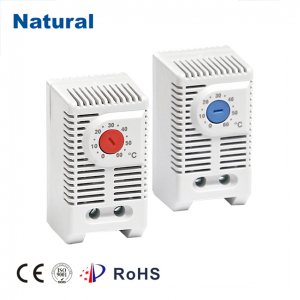
Understanding the Control Bimetal Thermostat Thermal Protector The Control Bimetal Thermostat Thermal Protector, often referred to simply as a bimetal thermostat, is a small yet vital piece of technology that is widely used in appliances, electronic devices, and industrial equipment. Its primary purpose is to prevent overheating by interrupting the electrical circuit when the temperature exceeds a predetermined threshold. This mechanism safeguards the device or equipment from potential damage due to excessive heat. How It Works The core principle behind the operation of a control bimetal thermostat is the differential expansion of two dissimilar metals bonded together. Typically, the two metals used are brass and steel, each with a different coefficient of thermal expansion. When subjected to rising temperatures, the metals expand at different rates, causing the bimetallic strip to bend. This bending action triggers a mechanical switch, which opens or closes the electrical circuit, depending on the design and application. Applications and Benefits The applications of control bimetal thermostat thermal protectors are diverse and widespread. They are commonly found in household appliances such as irons, toasters, and coffee makers, where safety and temperature control are paramount. In HVAC systems, these devices prevent overheating and potential fires by shutting down the system in case of malfunction. Additionally, they are integral in motors, transformers, and battery packs, safeguarding them from thermal damage. The benefits of these thermal protectors extend beyond safety. Their simple yet effective design ensures a rapid response to temperature changes, minimizing the risk of equipment damage. This not only prolongs the lifespan of devices but also reduces the need for frequent repairs or replacements, ultimately saving time and money. Innovation and Future Trends As technology continues to evolve, so does the design and functionality of control bimetal thermostat thermal protectors. Recent advancements have led to the development of miniaturized versions, allowing for integration into even smaller electronic devices. Additionally, some variants now incorporate electronic sensors to provide more precise temperature control and remote monitoring capabilities. Conclusion In the ever-expanding world of technology, maintaining optimal temperature conditions is vital to ensure both safety and efficiency. The control bimetal thermostat thermal protector stands as a testament to the innovative solutions that address this need. Through its reliable and straightforward operation, it plays a critical role in preventing overheating-related mishaps and promoting the longevity of various appliances and equipment. As technology continues to advance, we can expect further refinements and applications of this essential device, solidifying its place in modern engineering and design.