Introduction
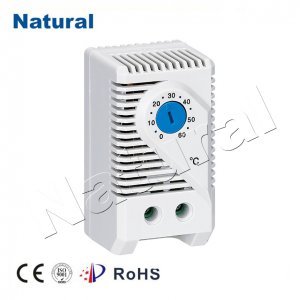
In today’s rapidly evolving world, technology continues to shape and enhance various aspects of our lives. One such innovation that has gained prominence is the cabinet thermostat. This unassuming device, often overlooked, plays a crucial role in maintaining optimal conditions within enclosed spaces, offering a wide range of benefits across different industries and applications. The Functionality of Cabinet Thermostats Cabinet thermostats, also known as temperature controllers, are compact devices designed to regulate the temperature within confined spaces such as cabinets, enclosures, and small rooms. They utilize advanced sensing and control mechanisms to ensure that the temperature remains within a predefined range. These devices are especially vital in environments where temperature stability is crucial, such as electronic equipment storage, industrial processes, and scientific experiments. Precision Control for Electronic Components One of the primary applications of cabinet thermostats is in electronic equipment storage. Delicate electronic components are susceptible to temperature fluctuations, which can lead to performance issues and reduced lifespan. Cabinet thermostats play a vital role in maintaining a constant temperature, preventing overheating or chilling of sensitive electronics. This is particularly important in data centers, where servers and networking equipment generate substantial heat and require precise temperature management to ensure optimal functioning. Industrial Processes and Quality Assurance Cabinet thermostats are integral to numerous industrial processes that demand stringent temperature control. Industries such as pharmaceuticals, food production, and chemical manufacturing rely on these devices to create ideal conditions for production and storage. In pharmaceuticals, for instance, certain medications require specific temperature ranges to preserve their potency and extend shelf life. Cabinet thermostats contribute to ensuring the quality and efficacy of these products. Laboratory Research and Scientific Endeavors Scientific research often involves delicate procedures and experiments that require stable temperature environments. Cabinet thermostats offer researchers the assurance of consistent conditions, allowing for accurate and replicable results. Whether it’s studying enzyme reactions, cultivating microorganisms, or conducting material tests, these devices are invaluable tools that contribute to the advancement of various scientific fields. Energy Efficiency and Environmental Impact Beyond their immediate applications, cabinet thermostats also play a role in promoting energy efficiency. By maintaining precise temperature levels, these devices reduce the need for excessive heating or cooling, thus lowering energy consumption. This not only translates to cost savings for businesses and organizations but also contributes to a reduced carbon footprint, aligning with global efforts to mitigate climate change. Innovations and Future Prospects As technology continues to advance, cabinet thermostats are also evolving. Modern iterations incorporate smart features, remote monitoring, and integration with broader building management systems. This level of connectivity allows for real-time adjustments and data-driven insights, further enhancing their functionality and adaptability. Additionally, ongoing research into more sustainable materials and manufacturing processes is likely to make these devices even more environmentally friendly. Conclusion In conclusion, cabinet thermostats represent a remarkable fusion of technology and practicality. Their unobtrusive presence belies their significant role in maintaining optimal conditions for electronics, industrial processes, scientific research, and energy conservation. As the world continues to prioritize efficiency and sustainability, these devices are poised to play an increasingly crucial part in shaping a more technologically advanced and environmentally conscious future.