In today’s rapidly evolving technological landscape, the efficient cooling and maintenance of electronic equipment have become crucial. Among the various components aiding in this endeavor, cabinet filter fans play a pivotal role. These unassuming yet highly effective devices offer an innovative solution for maintaining optimal air quality within electronic enclosures, ensuring the longevity and reliability of sensitive equipment.
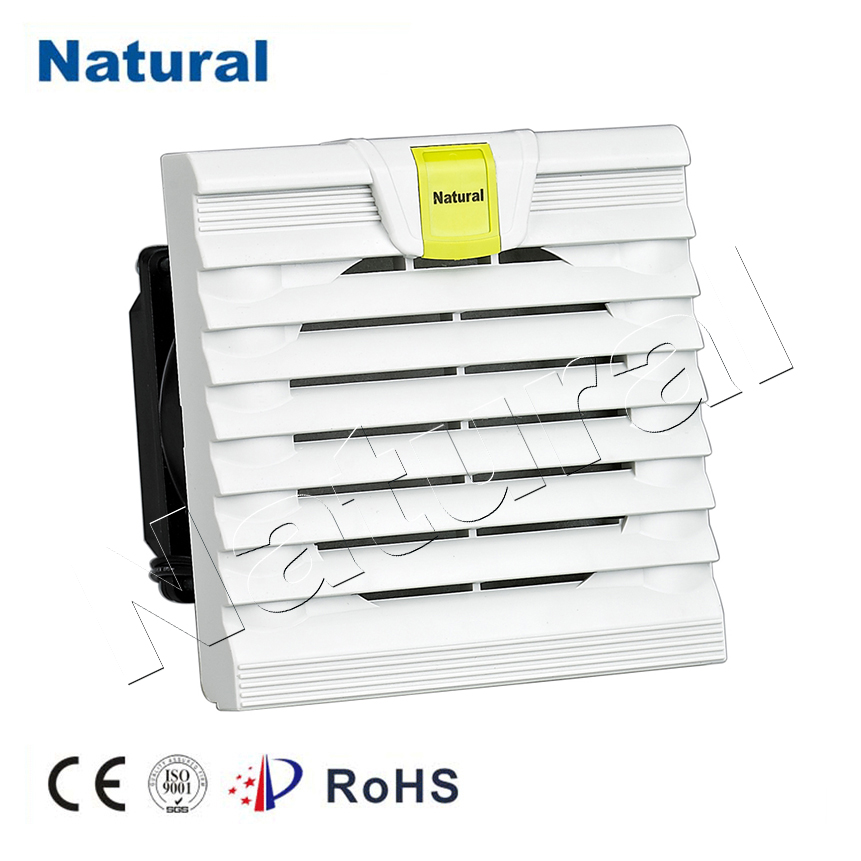
The Significance of Cabinet Filter Fans Electronic cabinets and enclosures house a plethora of valuable and sensitive equipment, ranging from servers and networking devices to industrial control systems. The proper functioning of these components relies heavily on maintaining an optimal operating temperature and preventing the accumulation of dust and debris. This is where cabinet filter fans step in, functioning as a vital line of defense. Efficient Air Filtration One of the primary functions of cabinet filter fans is efficient air filtration. These fans are equipped with filters designed to capture and prevent the ingress of dust, dirt, and other particles into the enclosure. Dust accumulation can lead to overheating and reduced performance of electronic components, potentially causing system failures and downtime. Cabinet filter fans, with their fine mesh filters, ensure that the air circulating within the enclosure remains clean and free from contaminants. Heat Dissipation and Temperature Control Heat is a natural byproduct of electronic devices operating at high speeds. Without proper heat dissipation, the temperature inside an electronic enclosure can skyrocket, leading to malfunctions or permanent damage. Cabinet filter fans aid in temperature regulation by expelling hot air from the enclosure and drawing in cooler external air. This active ventilation process prevents overheating and maintains a stable operating temperature, thereby prolonging the lifespan of the enclosed equipment. Noiseless Operation and Energy Efficiency Modern cabinet filter fans are designed with noise reduction in mind. They employ advanced technologies, such as aerodynamically optimized fan blades and vibration-absorbing materials, to operate quietly without disturbing the surrounding environment. Additionally, these fans are energy-efficient, consuming minimal power while delivering maximum airflow. This energy-conscious design aligns with contemporary efforts towards sustainability and reduced carbon footprint. Customization and Integration Cabinet filter fans are not one-size-fits-all solutions; they can be tailored to specific requirements. Manufacturers offer a variety of fan sizes, airflow capacities, and filter types to accommodate diverse enclosure designs and environmental conditions. Moreover, these fans can be seamlessly integrated into both new and existing enclosures, providing a versatile and adaptable solution for various applications. Applications Across Industries The versatility of cabinet filter fans extends across a wide range of industries. From data centers and telecommunications to manufacturing plants and transportation systems, electronic enclosures are omnipresent. Cabinet filter fans find their place in these domains by ensuring consistent performance and minimizing equipment downtime. They contribute to maintaining the reliability of mission-critical systems and safeguarding sensitive electronic components. Conclusion As technology continues to advance, the importance of maintaining optimal air quality within electronic enclosures cannot be overstated. Cabinet filter fans emerge as an indispensable solution, offering efficient air filtration, heat dissipation, and noiseless operation. These unobtrusive devices exemplify the marriage of innovation and functionality, contributing significantly to the reliability and longevity of sensitive electronic equipment across various industries. In a world driven by technology, the role of cabinet filter fans is set to remain pivotal, enabling seamless operation and preserving the integrity of our electronic systems.