Introduction
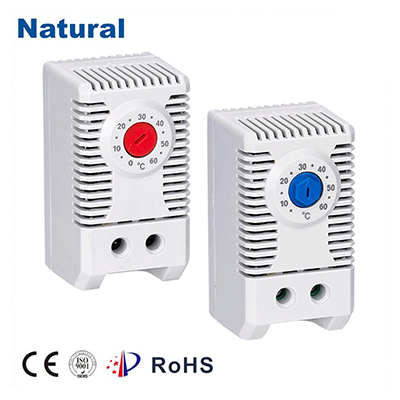
In the realm of temperature regulation, bimetal thermostats have emerged as a cornerstone of modern engineering. Combining innovation, precision, and reliability, these remarkable devices have transformed the way we control temperature in a wide range of applications. This article delves into the intricacies of bimetal thermostats, exploring their working principle, applications, advantages, and significance in contemporary industries. Working Principle At the heart of every bimetal thermostat lies a simple yet ingenious working principle. These devices are composed of two distinct metal strips, each with different coefficients of thermal expansion, firmly bonded together. As temperature changes, these strips expand or contract at different rates, causing the bimetallic strip to bend. This bending action is harnessed to trigger a switch that controls the connected system. In this way, the bimetal thermostat acts as an automatic temperature-sensitive switch, enabling precise temperature control. Applications The versatility of bimetal thermostats is evident through their widespread applications across various industries. In household appliances like ovens and refrigerators, they ensure optimal temperature settings, enhancing food safety and quality. HVAC systems rely on bimetal thermostats to maintain comfortable indoor environments. Industrial processes, ranging from manufacturing to automotive, utilize these thermostats to safeguard equipment from overheating. Furthermore, bimetal thermostats find their place in safety mechanisms like fire detectors and thermal cut-offs, preventing potential hazards. Advantages Bimetal thermostats offer several key advantages that contribute to their popularity: Reliability: Thanks to their mechanical simplicity, bimetal thermostats have proven to be highly reliable over time. They do not require power to function, reducing the risk of electronic malfunctions. Cost-Effectiveness: The manufacturing process for bimetal thermostats is relatively straightforward, making them cost-effective solutions for temperature control in various applications. Durability: Bimetal thermostats can withstand harsh conditions, making them suitable for use in rugged environments, such as industrial settings. Accuracy: These thermostats provide accurate temperature regulation within a specified range, ensuring consistent performance. Longevity: Due to the absence of electronic components, bimetal thermostats have extended lifespans compared to electronic alternatives. Significance in Modern Industries The significance of bimetal thermostats in modern industries cannot be overstated. Their reliability and cost-effectiveness make them indispensable components in countless devices, from household appliances to critical safety systems. Moreover, their compatibility with a broad temperature range makes them invaluable tools for applications where precision is paramount. As industries evolve and technology advances, bimetal thermostats continue to adapt. Engineers and designers are incorporating these devices into innovative solutions that address contemporary challenges, proving that this century-old technology remains relevant and essential. Conclusion In conclusion, bimetal thermostats have left an indelible mark on the world of temperature control. Their ingenious working principle, coupled with their reliability and versatility, has led to their widespread adoption in various industries. From enhancing household appliances to safeguarding industrial equipment, bimetal thermostats continue to play a pivotal role in modern engineering. As we move forward, it is clear that these unassuming devices will continue to shape the way we interact with and control temperature in our ever-changing world.